
Kathmandu- Car imports, including electric and ICE vehicles, surged in September due to festive demand. However, recent disruptions at the China-Nepal trade route prevented dealers from importing cars as needed before Dashain.
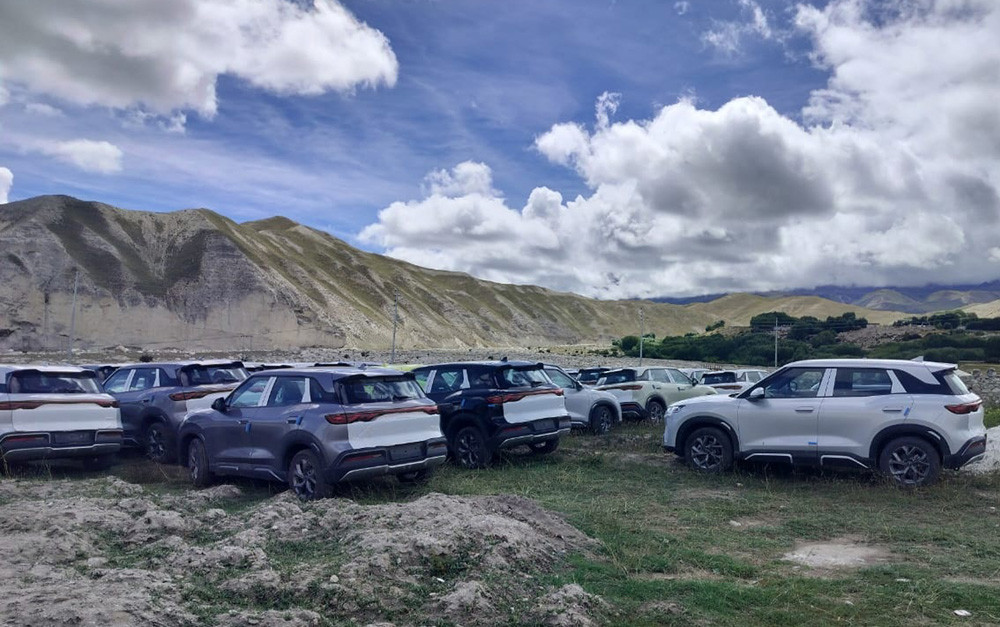
Landslides and floods in Tatopani and Rasuwa borders forced car imports from China via alternative routes like Korala and Mustang.
China remains the top importer, followed by India and other countries.
Customs data shows car imports soared to 2,237 units in September, up from 1,013 units in August.
June and July saw a sharp slowdown in imports due to the budget announcement on Jestha 15, with only 325 cars imported in June and 442 in July.
Events like the NIMA Mobility Expo and NADA Auto Show boosted sales momentum, though unrest during the ‘Gen Z Movement’ on September 8-9 briefly disrupted the market. Showrooms, including five in Thapathali, were damaged by arson and vandalism, but dealers are working to restore confidence.
With Rasuwagadhi and Tatopani border points blocked by floods and landslides, imports have begun through Mustang’s Korala crossing. By September 20, 209 EVs had entered Nepal via this route.
Ahead of the fiscal year 2025-26, speculation of higher EV taxes prompted importers to rush large shipments. However, as the budget retained last year’s tax rates, imports slowed before picking up again.
In September, 2,237 cars were imported, with BYD brands leading. Hyundai was the second largest importer, importing 51 ready-made cars and 360 assembled kits.
Tata Motors imported 285 cars, mostly electric. Suzuki imported 245 IC engine cars. Mahindra imported 204 cars, including electric cars and Scorpio and Bolero pickups. Jaecoo/Omoda imported 182 electric cars.
Changan’s Deepal brand imported 167 electric cars, mostly Deepal S05s from Thailand. Kia imported 96 cars, Nissan imported 57 cars, Proton imported 50 cars, and Leapmotor imported 42 cars.
© 2026 All right reserved to biznessnews.com | Site By : Sobij
© 2026 All right reserved to biznessnews.com | Site By : Sobij