Kathmandu- In a bid to transform its energy landscape, the Cabinet has approved an ambitious 10-year plan to increase the country’s power generation capacity nearly ninefold by 2035.
The Energy Development Roadmap and Action Plan, 2024, approved during a Cabinet meeting on Tuesday, sets a target of generating 28,500 megawatts of electricity, up from the current capacity of 3,200 megawatts. The plan also aims to end the country’s dependence on imported electricity during winter months and position Nepal as a regional energy exporter.
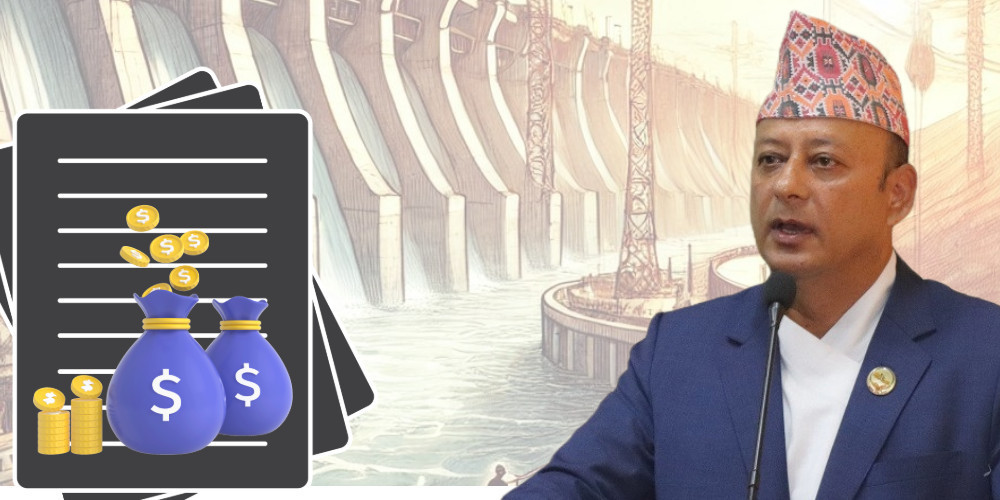
'This is a historic step to unlock our energy potential and benefit the state and its people,' said Energy Minister Deepak Khadka.
'We are opening all models of investment to accelerate projects and ensure the nation reaps the maximum benefits,' he added.
A $46 billion investment target has been set to advance Nepal's energy sector by 2035.
The 10-year plan, spanning from 2025 to 2035, estimates a required investment of Rs. 6.4 trillion and aims to transform the country's energy landscape by fostering rapid development and unlocking new opportunities.
The roadmap prioritizes reservoir-based hydropower projects to address seasonal fluctuations in power generation. It also emphasizes the development of transmission, distribution, and substations to facilitate Nepal’s growing ambitions in the regional energy market.
Nepal has already committed to exporting 10,000 megawatts of electricity in the next decade, with Bangladesh expressing interest in importing 9,000 megawatts by 2040.
'By laying out clear investment modalities, the plan aims to fast-track projects that have languished in bureaucratic limbo. 'We are determined to move forward with projects immediately, ensuring participation from the general public and the private sector,' Khadka said.
The action plan’s approval marks a departure from previous years when energy ministers failed to deliver on similar commitments. The government now hopes to leverage this momentum to transform Nepal into a powerhouse of sustainable energy in South Asia.