Biratnagar – More youths recovering from drug addiction are returning to professional life. The rising coffee culture has helped integrate many former drug users into society.
Through coffee, they are reconnecting socially and turning it into a source of livelihood. Many who were once addicted to drugs now focus on coffee. Most prefer espresso, doppio, and lungo.
Drug use isolates people from family, society, reputation, love, professionalism, and responsibility. Their daily life revolves around managing money and contacting dealers. Coffee culture has helped many transform their routines.
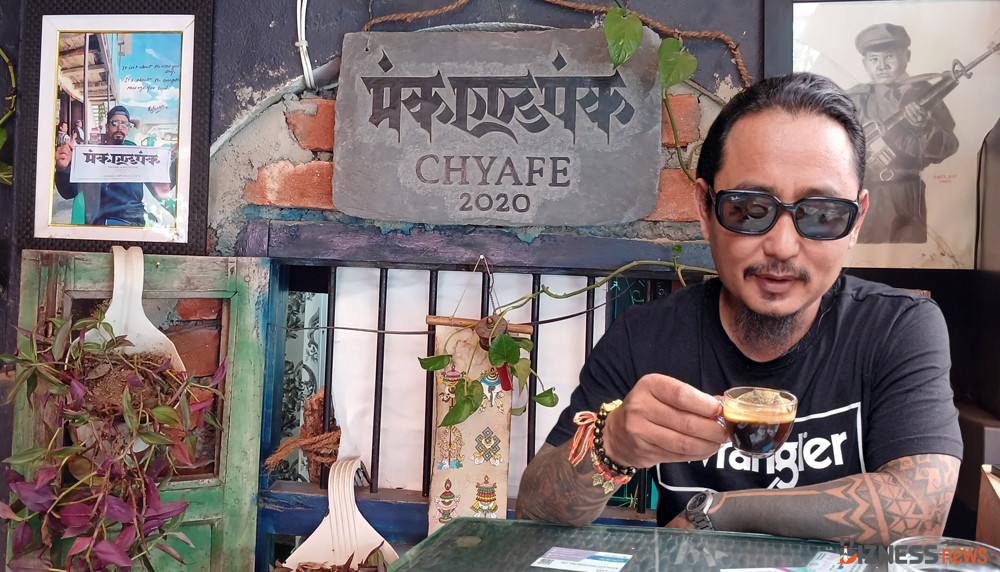
A small coffee shop that started for a few friends has become one of eastern Nepal’s most popular cafes. “Monk and Punk” now runs from morning to evening, serving as a hub for people from all walks of life.

Khagendra Magar left addiction behind but his family remained doubtful due to his old company. He opened a cafe at home, creating a space for conversation. The cafe helped him rebuild his social and professional identity. Once hesitant to speak to others, he now greets everyone warmly. Today, he is both a cafe operator and an inspiring figure in the community.
What started as a place for gatherings has become a forum where young entrepreneurs and political figures exchange ideas. Magar says the right company is key to leaving addiction and starting a business. According to him, caffeine provides new energy, helping suppress the urge for drugs.
Utsav Dhakal from Jhapa shares a similar story. Now a businessman running Lanka Restaurant, he leads anti-drug campaigns and works to reintegrate addicted youths into professional life through rehabilitation centers.
Purna Rai, who opened the first cafe in Dharan in 2011, says recovering youths consume coffee regularly. This trend helped cafes flourish, with over 50 now operating in Dharan.

Coffee culture has spread to rural areas too. In the past, people gathered at open squares or resting platforms. With those disappearing, cafes filled the gap and became new meeting spots.
Yunes Raj Shrestha, who opened Biratnagar’s first cafe, says coffee culture connects youths with entrepreneurship. People who once mocked coffee now use cafes for professional discussions.
Shrestha says, 'Coffee has reduced drug reuse. Former users are improving themselves and drinking more coffee. This boosts both business and confidence. Coffee culture links society with entrepreneurship.'
Cafes now serve as spaces for professional meetings, IT work, and student study sessions. As work trends evolve, coffee and cafes continue to grow in appeal.
Shrestha, also a coffee farmer, claims Nepali coffee is superior due to the country’s geography and soil, giving it a distinct, rich flavor.
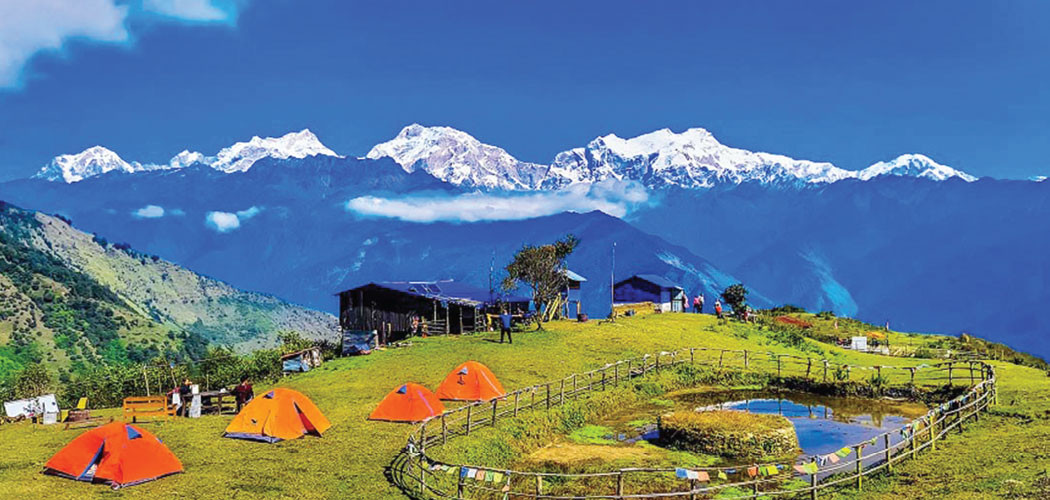
He adds that domestic production cannot meet growing demand, so more cultivation is needed. Expanding commercial coffee farming in hill regions would create jobs and boost entrepreneurship.