
Kathmandu-Tea factories in eastern Nepal have resumed operations after industrialists withdrew their agitation following assurances from the Office of the Prime Minister and Council of Ministers to take immediate diplomatic and administrative steps to resolve export hurdles with India.
The factories had been shut after India halted imports of prepared tea from Nepal, citing laboratory testing requirements. As a result, around 300,000 kg of Nepali tea remains stranded in Indian warehouses, while more than 1 million kg is stuck in warehouses in Nepal, according to tea producers.
Tea factories in Ilam had been closed since Asad 15, while those in Jhapa suspended operations from Asad 16.
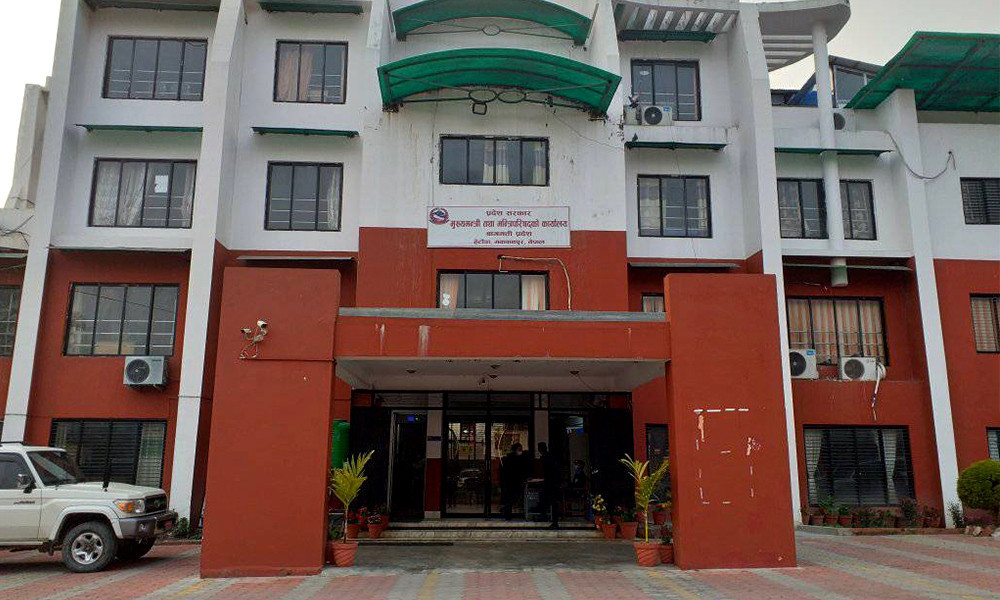
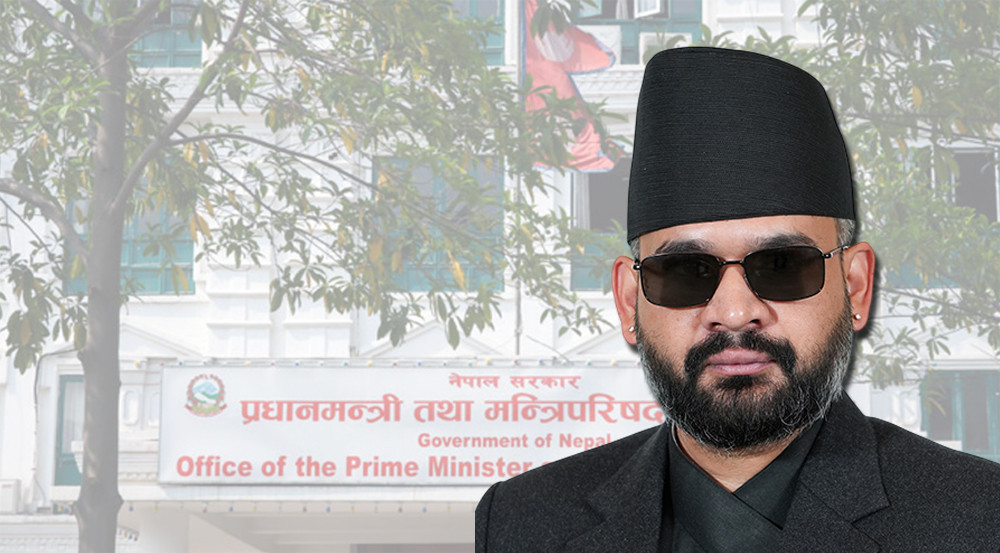
Shiva Kumar Gupta, Senior Vice President of the Nepal Tea Producers Association, said the factories resumed operations after the Prime Minister's Office committed to taking immediate diplomatic initiatives to address the ongoing crisis.
According to Gupta, some factories restarted operations on Thursday, while all tea factories and plantations in eastern districts, including Jhapa and Ilam, resumed regular operations from Friday.
Earlier, the Office of the Prime Minister and Council of Ministers formed a special task force to address the challenges facing Nepal's tea exports. Coordinated by the Joint Secretary of the Bilateral and Regional Trade Division under the Ministry of Industry, Commerce and Supplies, the task force has been mandated to submit recommendations for immediate, medium-term, and long-term solutions within two weeks.
The task force includes representatives from the Office of the Prime Minister and Council of Ministers, the Ministries of Finance, Home Affairs, Foreign Affairs, Agriculture, Forest and Environment, as well as officials from the Department of Customs, the Department of Food Technology and Quality Control, the Nepal Bureau of Standards and Metrology, the National Tea and Coffee Development Board, and the Ministry of Industry.
Expressing confidence in the government's initiative, industrialists said they decided to reopen the factories after concluding that a prolonged shutdown would severely affect tea farmers, workers, and the overall industry.
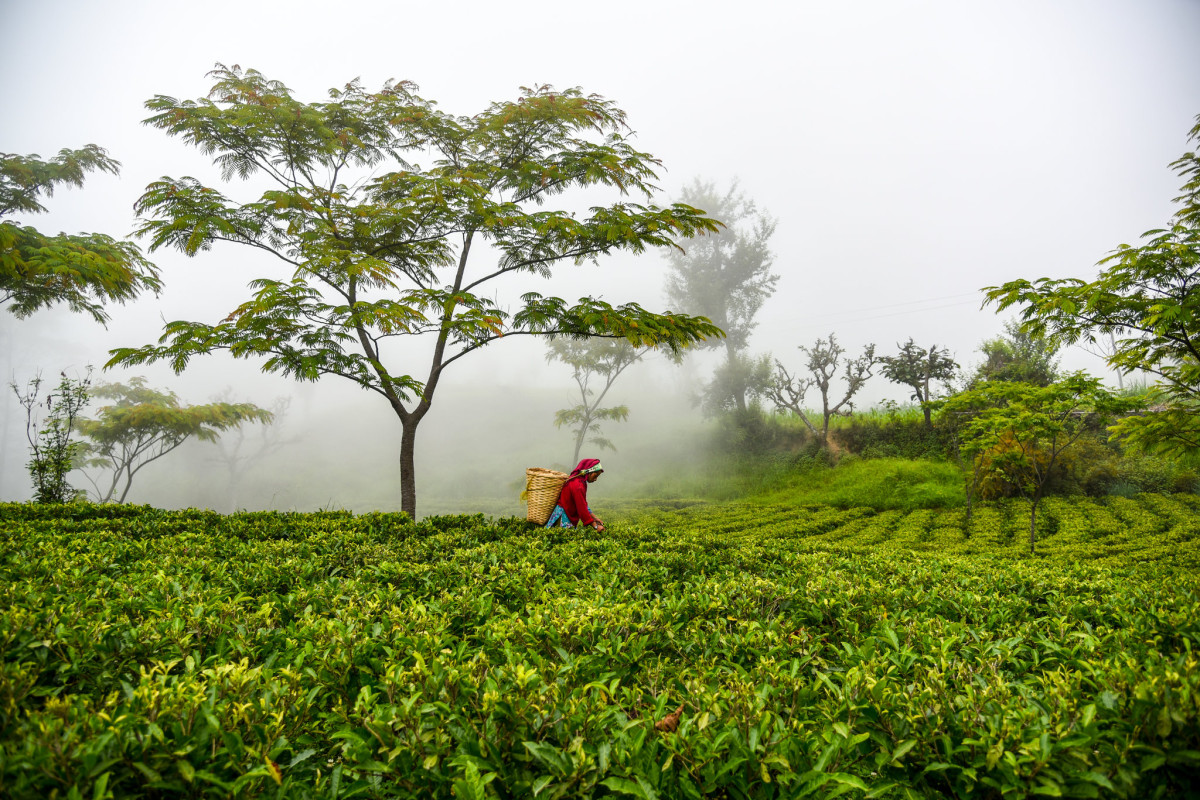
A total of 99 tea factories in Jhapa and Ilam had been forced to close due to disruptions in exports to India. The shutdown also halted the plucking of green tea leaves in more than 100 small and large tea gardens across eastern Nepal.
© 2026 All right reserved to biznessnews.com | Site By : Sobij
© 2026 All right reserved to biznessnews.com | Site By : Sobij