
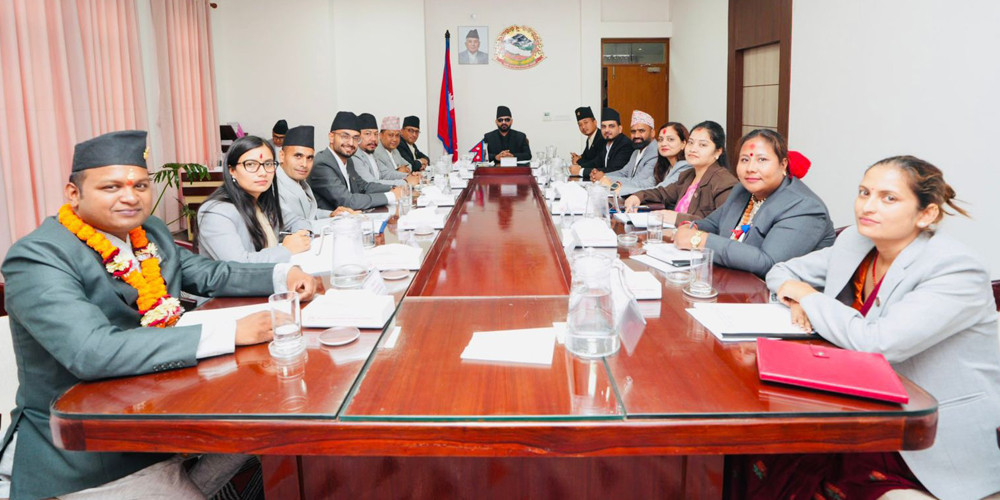
Kathmandu-Prime Minister Balen Shah approved a 100-point governance reform agenda on the day he took the oath of office. The first Cabinet meeting on Chaitra 13 set the government’s direction. It covers administrative reform, digital governance, anti-corruption, and service delivery.
The Cabinet paid tribute to those killed in various movements, including the Gen Z protests. It wished a quick recovery to the injured. It thanked voters for the recent mandate and pledged to deliver on it.
The government will make ministries accountable for results. Each ministry must set measurable targets and publish regular reports. It will merge party manifestos into a single “national commitment” and align it with policy, programs, and the budget.
The Cabinet decided to reduce ministries to 17. It will remove duplication in public bodies and simplify procedures. It aims to keep the civil service free from political interference.
The government will build a National Integrated Digital Governance Platform. Citizens will access most services through one system. They will not need to submit the same data twice. Processes will be paperless, time-bound, and trackable. Services like citizenship, passports, and driver’s licenses will be simpler and free of middlemen.
Families affected by the Gen Z protests will receive a rehabilitation package. Within 100 days, the plan will cover jobs, skills, social security, and psychosocial support. The government will investigate the incidents and take legal action against those responsible.
A high-level committee will investigate assets of top officials who served over the past two decades. The government will track financial transactions through digital systems.
Citizen service centers will open in major cities. The “Hello Government” system will shift to real-time grievance handling. A government courier service will deliver services to homes.
The government will introduce a one-door approval system for investment. It will ease registration for startups and small firms. It will roll out a plan to protect and revive the private sector.
In energy, the government will remove barriers in production, transmission, and export. It will target high-value export markets.
Hospitals must provide 10 percent of beds free of cost. The government will end political interference in education and create new systems for student representation.
© 2026 All right reserved to biznessnews.com | Site By : Sobij
© 2026 All right reserved to biznessnews.com | Site By : Sobij