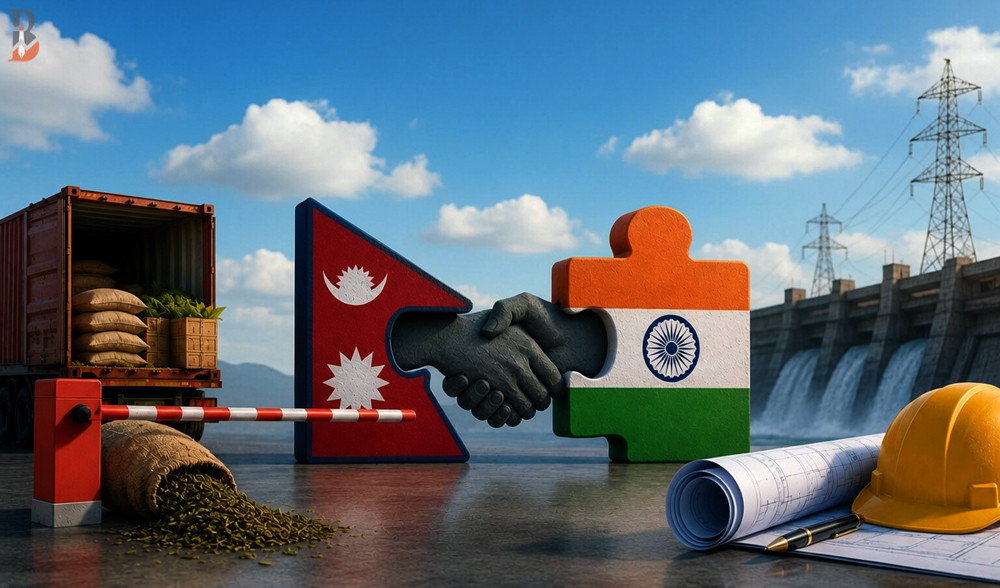

Kathmandu - Due to delays in the issuance and renewal of certificates by India’s Bureau of Indian Standards (BIS), Nepal’s exports of some key industrial goods to India were affected in the last fiscal year 2024-25.
According to data from the Customs Department, exports of cement, clinker, sanitary pads, and plywood sharply declined.
After BIS certification was made mandatory, the export of items such as cement, plywood, and sanitary pads was halted for almost half a year.
However, the export of footwear increased significantly.
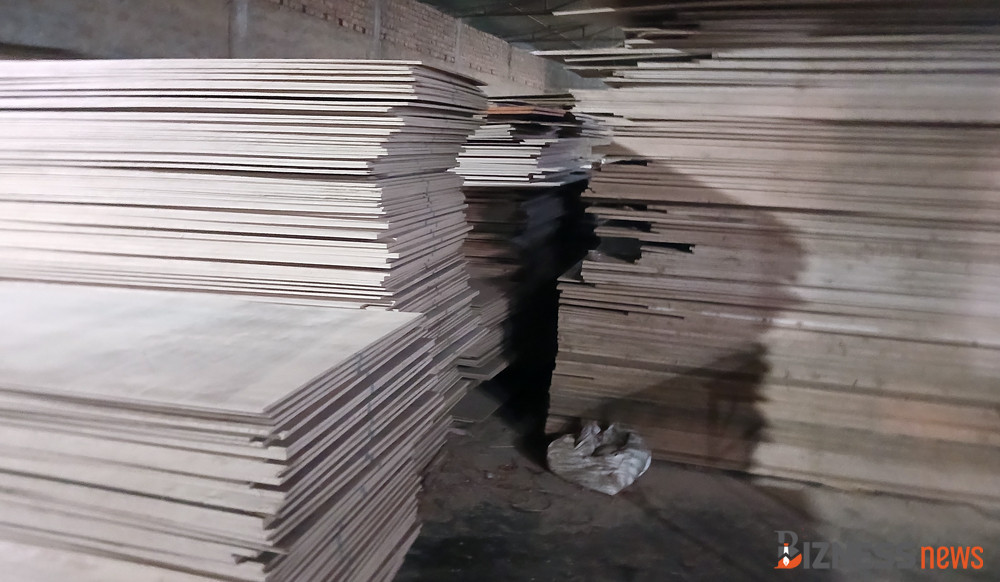
According to Hom Prasad Ghimire, President of the Nepal Plywood Manufacturers Association, Nepal’s plywood exports were affected as India unnecessarily delayed issuing BIS certificates.
'If there hadn’t been obstacles with BIS, the export of this product could have reached around Rs 18 billion,' said Ghimire.
But in the last fiscal year, exports amounted to only around Rs 7.09 billion.
There are 79 registered plywood industries across Nepal. Seeing the potential for increased exports to India, 51 new industries applied for BIS certification.
However, even after completing the process, they have not yet been able to obtain the certificates.
Ghimire added that India has started importing only raw materials (veneer) instead of finished plywood from Nepal, which could indicate a long-term decline in Nepal’s production.
'It seems India wants to set up factories in Nepal to take raw materials and then produce plywood within its own country,' he said.
Raghunandan Maroo, President of the Nepal Cement Manufacturers Association, said that the export of cement and clinker declined by more than 24 percent.
'The delay in BIS certification affected exports. As demand for construction fell in Nepal, the Indian market had become a lifeline for our industries.'
He is optimistic that exports would increase in the current fiscal year 2025-26 as some industries have already received BIS certification.
However, he expressed dissatisfaction, saying the government has yet to provide the promised cash export subsidies.
Although the export of footwear was also briefly affected by BIS-related obstacles, by the end of the fiscal year, exports had surged by 58 percent to Rs 1.87 billion.
Thanks to significant exports of refined edible oil, Nepal’s overall exports to India remained high. Out of total exports worth Rs 277 billion, exports to India accounted for Rs 225 billion.
The problem arose because the Ministry of Industry, Commerce and Supplies and the Ministry of Foreign Affairs did not take BIS facilitation seriously.
Industrialists stressed the need for clear dialogue with India at the policy level for long-term trade facilitation.
Industries that have already obtained BIS certification hope to increase exports in the current fiscal year.
However, unless structural challenges like BIS complexities, delays in subsidy distribution, and the risk of remaining limited to raw material exports are resolved, sustained long-term export growth seems unlikely.
What is BIS
The Bureau of Indian Standards (BIS), which falls under the Government of India, has recently come into frequent discussion in relation to Nepal’s export industries. BIS is a statutory body established by the Indian government.
It sets standards to ensure the quality of goods and services, issues certificates, and inspects whether products manufactured by industries meet those standards. For many goods sold in the Indian market or imported into India from abroad, BIS certification is mandatory.
In recent years, India has tightened quality control on imported goods. Therefore, products coming into India from abroad must be certified according to these standards.
Products like cement, steel, electronics, plywood, and sanitary items fall under this requirement. Before these goods can be exported from Nepal to India, BIS approval must be obtained.
© 2026 All right reserved to biznessnews.com | Site By : Sobij
© 2026 All right reserved to biznessnews.com | Site By : Sobij