
Kathmandu-A long-ignored customs rule has triggered fresh tension at Nepal’s southern border.
Each year, the government issues a Gazette notice after the budget. It defines what returning passengers can bring and how much duty applies. One clause sets a Rs 100 limit for goods brought by land travellers. In practice, this rule was never enforced.
Border residents have long crossed into India to buy daily essentials. Customs officials informally allowed such purchases duty-free. The approach aimed to ease daily life, not enforce rigid law.
That stance has now shifted.
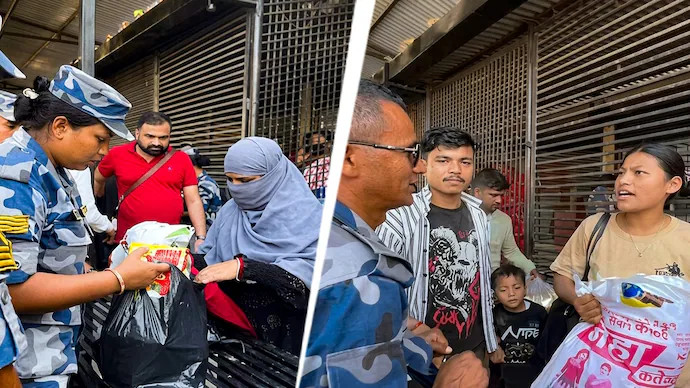
Following instructions from the Revenue Leakage Control Committee, authorities have begun enforcing the Rs 100 cap. Goods above that value face duty. Arrests and stricter checks have followed.
The move has angered locals and drawn political pushback. Even ruling party MPs call it impractical. Traders near the border, however, support the crackdown.
The government argues the policy will boost domestic trade, raise revenue, and support local businesses. It also claims it will curb smuggling and reduce leakage.
Data suggests limited gains.
A recent World Bank study shows Nepal already collects about 99 percent of its potential revenue under the current system. Full control of leakage would add only about 1 percent, roughly Rs 15 billion.
Customs officials doubt the policy can stop smuggling. They say enforcement mainly hits small personal purchases at official crossings. Large-scale smuggling often bypasses these points through informal routes.
'People bring goods for daily use. Mostly low-income households,' a customs official said. 'This measure targets them, not major evaders.'
Stakeholders say most revenue leakage occurs within formal trade. Tactics include misdeclaration and concealment of high-value goods. These remain harder to detect.
Critics argue the new rule raises costs for consumers without fixing systemic gaps.
'How much can one person buy at a time? This could be managed with a system,' a senior customs official said. 'A flat Rs 100 cap forces the poor to pay more.'
Price differences with India add pressure.
After recent tax changes in India, many goods have become cheaper across the border. Nepal’s higher import duties have widened the gap. Consumers increasingly turn to Indian markets.
Experts warn that protectionist policies, without effective enforcement, risk hurting consumers more than helping local industry.
Calls are growing for a practical revision of the rule.
© 2026 All right reserved to biznessnews.com | Site By : Sobij
© 2026 All right reserved to biznessnews.com | Site By : Sobij