
Kathmandu-Chinese airlines have ignored Nepal’s value-added tax (VAT) law for two years, yet the Ministry of Culture, Tourism and Civil Aviation continues to provide full services.
The government required airlines to register for VAT and pay taxes two years ago. The Chinese airlines have not complied. The ministry has not asked even basic questions about the violation, and officials say they have not received formal instructions from the Ministry of Finance.
Tourism Secretary Hari Prasad Mainali said he is aware of the issue and discussions are underway. Despite that, the airlines continue to get visa renewals and other facilities without any interruption.
An official in the ministry said the situation is being treated as if nothing is wrong. 'There is no inquiry about the tax issue. It is hard to believe the ministry does not know,' officer said.
In Nepal, regulatory services are usually stopped when a company ignores tax obligations. That approach is being used for other companies, but not for Chinese airlines.
The Ministry of Finance and the Inland Revenue Department have not enforced compliance. The Tourism Ministry has the authority to use service permissions to pressure the airlines, but it has not done that.
As a result, the airlines are holding VAT funds in their own accounts and earning interest from them.
The Finance Act for fiscal year 2080-81 made VAT registration and collection mandatory for all airlines operating in Nepal. Following the introduction of detailed administrative procedures, all domestic and international airlines complied and began paying VAT, except for Chinese carriers.
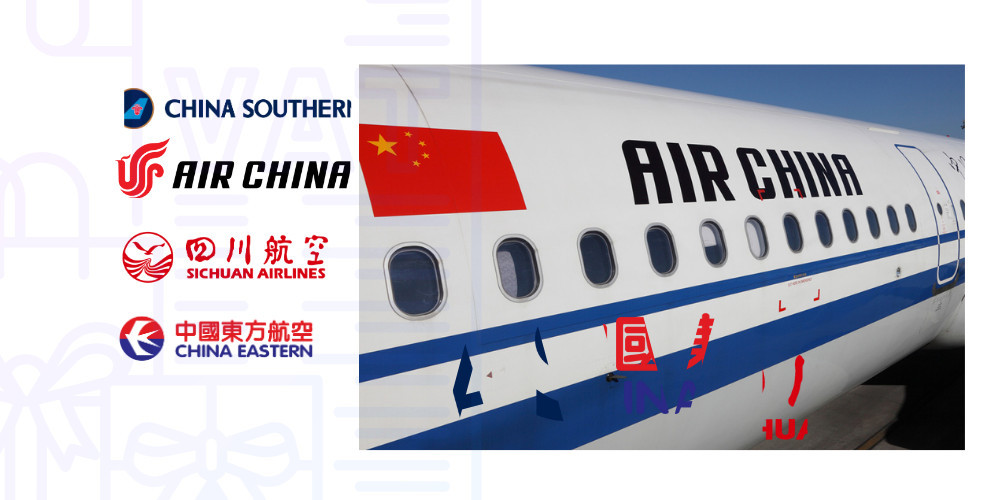
Air China, China Southern, China Eastern, and Sichuan Airlines operate direct flights between China and Nepal. Despite being legally required to register, collect, and remit VAT to the government, these airlines have refused to comply.
Even without registration, they continue to charge VAT on tickets sold in Nepal. Passengers pay the tax, but the airlines keep the money in their own accounts instead of depositing it in the state treasury.
All companies are obliged to follow local laws while doing business in any country. Chinese airlines have ignored Nepal’s tax laws, reportedly with backing from their government. Nepal’s efforts to enforce compliance have faced resistance from the Chinese Embassy.
Last year, when the Inland Revenue Department and the Ministry of Finance pressed for payment, the Chinese Embassy sent a warning letter. A senior Finance Ministry official said the airlines were initially ready to comply after being cautioned about legal action, but the embassy intervened in a threatening tone.
Other airlines have since raised concerns. They pay VAT regularly and argue that exempting certain airlines creates an unfair business environment. Complaints have been submitted to the Ministry of Tourism and the Inland Revenue Department.
Chinese airlines eventually paid last year’s VAT dues. Although unregistered airlines are not allowed to pay VAT, they convinced the authorities by arguing that registration would take time since they are state-owned companies. The Inland Revenue Office accepted the payment, considering it beneficial for the state treasury and expecting them to register soon.
This fiscal year, however, the four airlines have already collected about two billion rupees in VAT, which remains in their accounts. The money, meant for the state, is instead earning them interest.
© 2026 All right reserved to biznessnews.com | Site By : Sobij
© 2026 All right reserved to biznessnews.com | Site By : Sobij