Kathmandu – Since the introduction of fiscal federalism, the federal government has failed to advance any significant new development projects. The outbreak of the COVID-19 pandemic further brought large-scale infrastructure works to a complete halt.
Apart from carrying forward projects initiated after the 2008 Constituent Assembly elections and even some launched during the conflict years, the government has been unable to push new projects over the last five years. Existing projects under construction have already left the government in disarray, struggling to manage the budget required just to continue them.
After 2017, while there has been a construction boom in government buildings, progress in core infrastructure like roads, drinking water, and hospitals has remained minimal. Despite heavy investment in grand office buildings across federal, provincial, and local levels, the government has not been able to launch the new Bir Hospital project.
The government has come to the conclusion that development cannot be advanced solely through revenue and public debt. The inability to fund development adequately from regular sources has become a serious challenge.
For the past eight years, the government has not been able to initiate any large-scale new infrastructure projects. Since the enforcement of fiscal federalism, Nepal has failed to move forward with any landmark projects.
Except for the U.S.-funded MCC transmission line project, no notable new ventures have been launched. Despite much discussion, the government has been limited to merely continuing previously initiated projects rather than starting new ones.
Other than small-scale projects, large, signature projects capable of boosting the national economy have not been initiated. Projects that began a decade or two ago remain unfinished, and no new ones have started since.
According to the Ministry of Finance, resources have been exhausted due to post-earthquake reconstruction and the COVID-era loans, while repayment obligations have piled up, leaving little room in the regular budget for new projects.
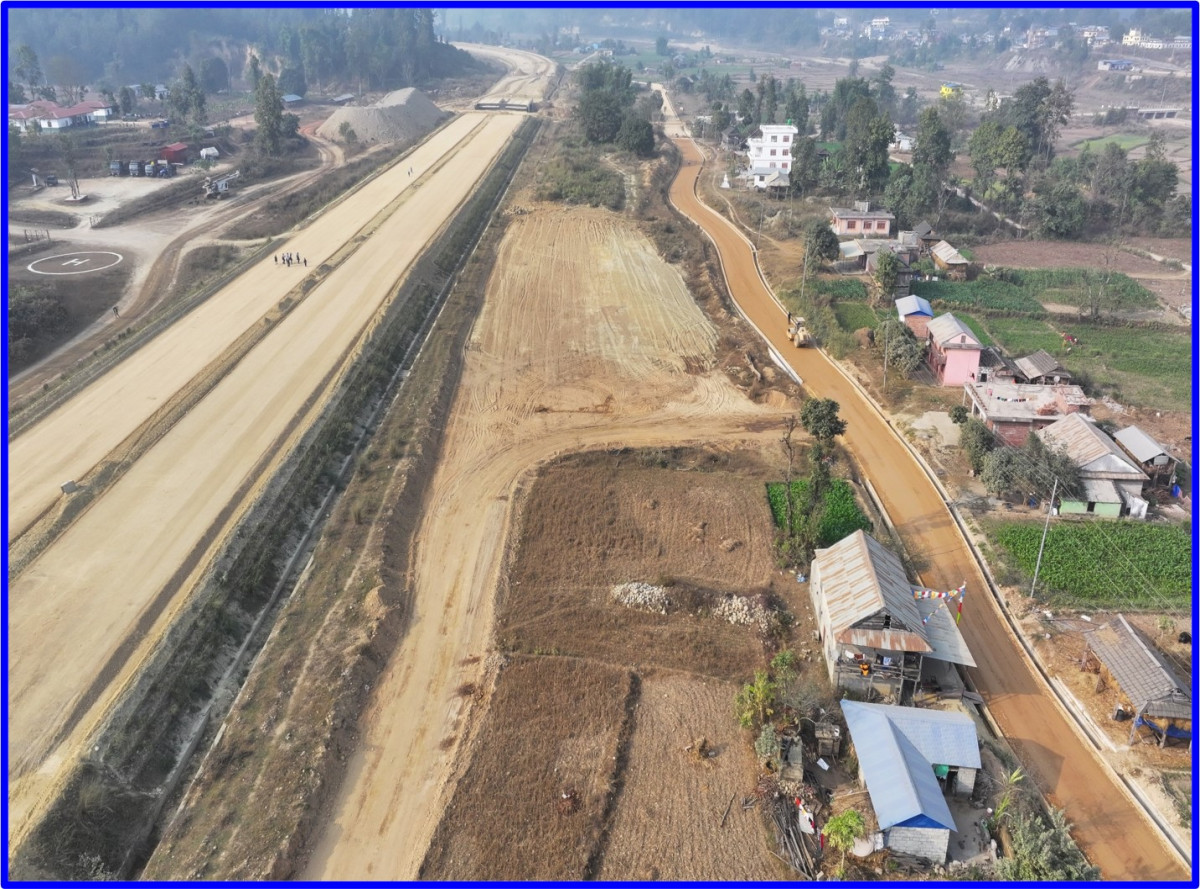
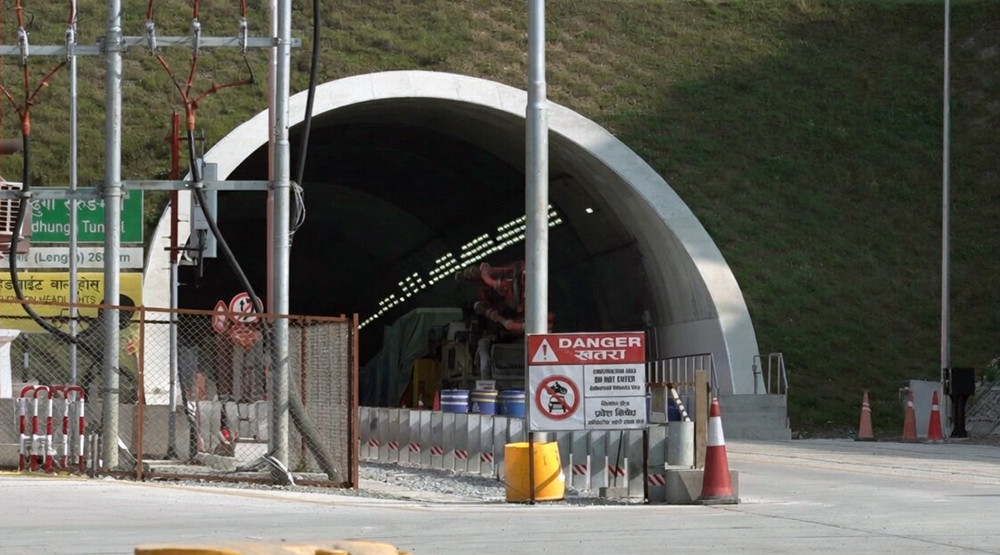
Although plans for railways, tunnels, and expressways have been announced, many remain stuck at the preliminary study stage, while others have gone no further than announcements.
Ministry officials say stagnant revenues alongside mounting debt obligations have prevented the government from advancing new projects.
Even when new projects are initiated, delays prevent timely completion. Thus, the government has prioritized channeling limited resources toward ongoing works to ensure their completion.
However, with no significant new signature projects launched in the past eight years, experts warn the development pace of a country still in its growth phase risks being severely undermined.