
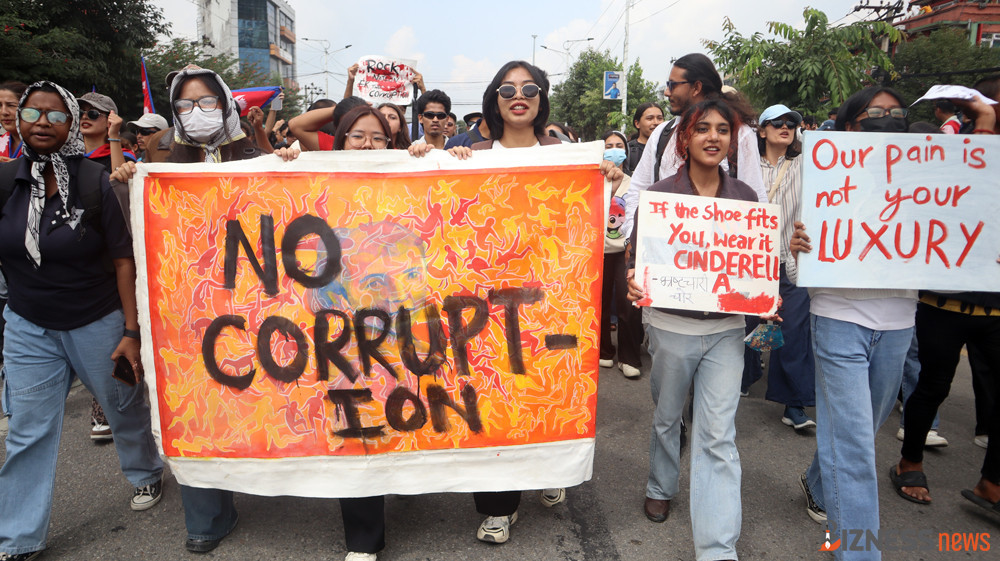
Kathmandu-The aftermath of the youth protests on September 8 and 9 cast a gloomy outlook on Nepal’s national economy.
Shortly after the protests, several international institutions projected a negative economic trajectory.
Political uncertainty, weak law and order, and attacks on the private sector instilled fear among analysts. They warned that economic activity could come to a standstill.
However, four months later, the data paints a different picture. The economy has regained its footing and returned to a normal track.
In recent years, Nepal’s economy lacked momentum for expansion. It primarily relied on consumption and agricultural output. The import growth up to mid-December this year indicates that the economy remains on a stable path.
Imports, which had stagnated for an extended period, have shown a consistent upward trend this year. By Mangsir, imports increased by 15.83 percent, while exports rose by 58 percent.
The surge in imports has contributed to increased tax collection under VAT, customs duties, and excise. The collection from these sources has seen a significant rise. Income tax from profits generated by imports will become clearer by the end of mid-January.
So far, total tax revenue has increased by 4 percent compared to last year. However, non-tax revenue driven by situational factors has declined.
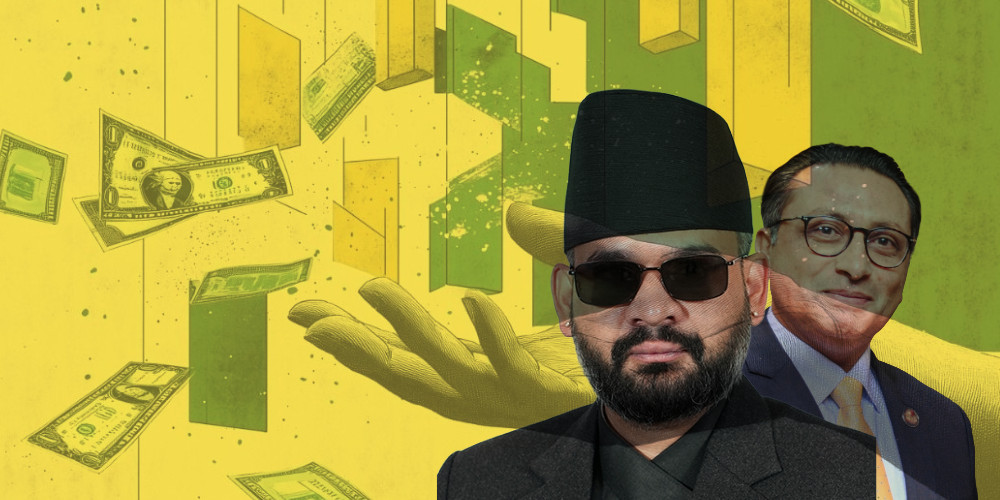
Despite the modest pace of growth, Finance Minister Rameshwar Khanal views it as a positive development. He emphasizes that the government’s initial focus was on reviving businesses and markets that had stalled at the beginning. This effort has led to the current positive situation.
Khanal shared his thoughts during a program in Kathmandu on Tuesday. He stated, ‘When we came in, we had to bring the market back to normal.’
He further elaborated, ‘Our responsibility was normalization, not growth or expansion. We achieved that, and the economy has now returned to a regular mode.’
Khanal highlights the main priority as holding elections and creating the right environment. By normalizing conditions, the post-election government will have the opportunity to make significant progress.
Khanal acknowledges that reaching a normal state in public finance is itself an achievement, even before embarking on a growth phase.
He emphasizes that the government lacks both the authority and the time to modify tax rates or laws. However, administrative reforms within existing laws have still generated optimism. The results will be visible gradually.
He highlights improvements in customs valuation and provisions related to the PCA. PAN registration was simplified, and basic tax services were expanded at the local level. These steps reduced administrative barriers for trade and business.
The government allocated approximately Rs 30 billion for elections from the current budget. It managed to maintain a balanced public finance situation. After the protests, the market feared a collapse, but it has returned to normal.
However, the upcoming election will determine the next phase. Timely elections and the policies of the next government will have a significant impact.
Officials at the finance ministry state that the primary objective was to restore conditions to the state before September 8, rather than achieving major fiscal improvements.
A favorable external environment and stable public finance will provide the post-election government with an opportunity to pursue reforms and growth.
© 2026 All right reserved to biznessnews.com | Site By : Sobij
© 2026 All right reserved to biznessnews.com | Site By : Sobij