
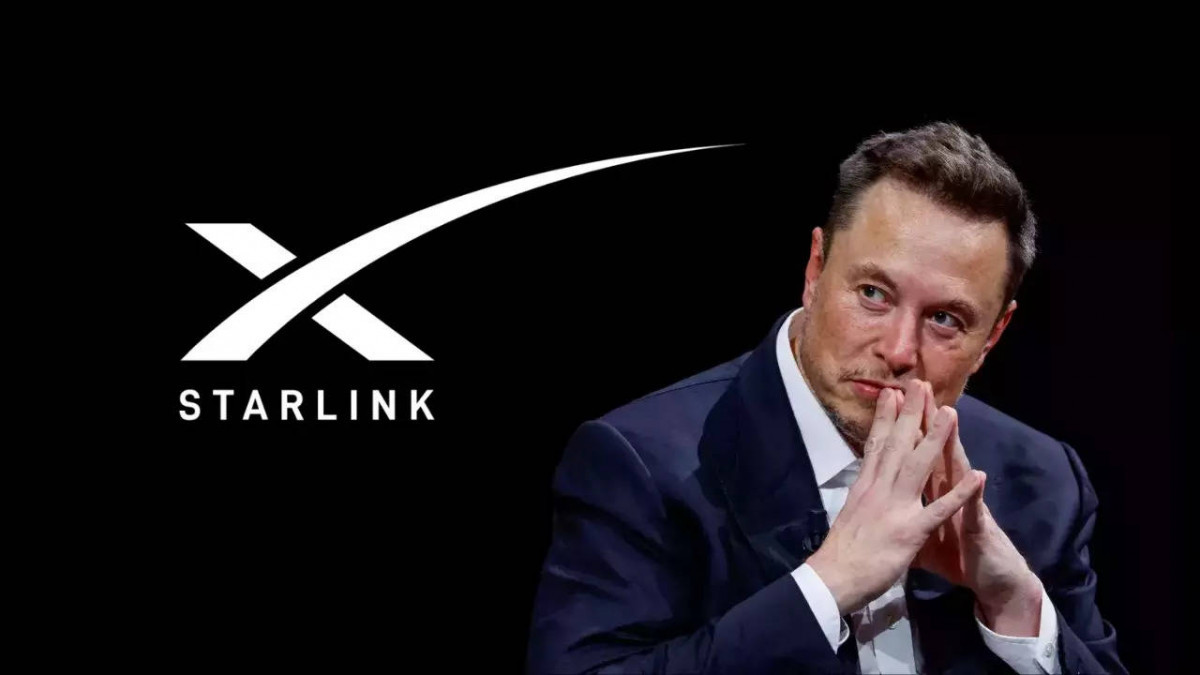
Kathmandu - India, Nepal's southern neighbor, has recently granted a license to Elon Musk-led Starlink, a satellite telecommunications provider, to operate in the country.
This was confirmed by Indian Communication Minister Jyotiraditya M. Scindia via his X handle on June 18.
Minister Scindia posted, 'Had a productive meeting with Ms. Gwynne Shotwell, President & COO of SpaceX, on India’s next frontier in connectivity. We delved into opportunities for collaboration in satellite communications to power Digital India’s soaring ambitions and empower every citizen across the country." He further added, "With India’s digital revolution under the leadership of PM Narendra Modi, satellite technologies are not just relevant, they’re transformative. Ms. Shotwell appreciated the license granted to Starlink, calling it a great start to the journey.'

This approval follows announcements in March by two major Indian telecom operators, Airtel and Jio, regarding their collaborations with SpaceX to offer Starlink internet service to customers in India.
Starlink is expected to launch its commercial operations in India within the next two months.
While most South Asian countries have already opened the way for Starlink’s entry, Nepal remains an exception, prompting the company’s representatives to continue lobbying through various channels.
In South Asia, Starlink has already launched services in Bangladesh and Bhutan, and preparations are underway in India and Sri Lanka.
While Starlink has targeted Nepal as a potential market, the likelihood of entry seems to be diminishing—unless facilitated through political leadership.
In contrast, Starlink has not even begun preparing for operations in Pakistan and Afghanistan.
Due to Nepal’s current regulatory practices and policies, Starlink finds formal entry impossible under its existing model, leading its representatives to focus on informal lobbying efforts.
Starlink’s delegation has already met with Prime Minister KP Sharma Oli and has successfully facilitated a conference call with Starlink’s founder, Elon Musk.
Following that virtual meeting, Starlink representatives have continued engaging with various government bodies. Starlink wants to operate in Nepal with 100 percent ownership, but Nepal’s telecommunications policy restricts foreign companies from holding full ownership.
The policy mandates at least 20 percent local shareholding for foreign investments in the telecom sector.
This regulation has applied to all foreign investments in Nepal’s telecom industry to date.
However, Starlink argues that it does not operate with such shareholding structures anywhere else in the world and is lobbying to change Nepal’s policy specifically for its entry.
Starlink’s intensified lobbying at both business and diplomatic levels led to preliminary discussions within government agencies.
But after internal evaluations by the Ministry of Communication and Information Technology and other concerned bodies, it was concluded that an immediate policy change to meet Starlink’s demands is not feasible.
During the discussion between PM Oli and Elon Musk, Communication Minister Prithvi Subba Gurung refrained from committing, instead stating that decisions would be made according to Nepal’s legal and practical framework.
Subsequent internal discussions concluded that allowing Starlink immediate entry would be difficult.
Satellite communication is an emerging technology. While once limited to specific regions, it is now on the verge of becoming mainstream.
If Starlink enters Nepal, there is a risk that existing legacy operators’ investments and the government’s current revenue streams may collapse, officials warn.
Another major concern is security. If a multinational corporation holds complete control over communication, it raises data security challenges that the government currently lacks the regulatory capacity to address.
Officials believe the government may need a few more years to prepare for such regulation.
'We could impose taxes based on Starlink’s revenue from Nepal — that’s fine — but data security and regulation are not just about capacity. The global risks and complexities of such services are not yet fully understood. That’s why we can't afford to take early regulatory risks,' said one official.
Even if Starlink were to officially register in Nepal, it would process payments through its global system. Tracking how much revenue is generated and reported would require systems that Nepal does not currently have.
Authorities believe that by the time Nepal is ready, global satellite communication regulations will also have matured.
Unless there is an abrupt political decision, technical and administrative leadership see little possibility of Starlink gaining immediate access in Nepal. The Ministry of Communication has not even responded to the letter Starlink sent.
Despite not having official permission, the use of Starlink equipment has increased in Himalayan regions.
Not only foreign climbers but also Nepalis have reportedly used Starlink services during mountaineering.
Based on such information, the regulatory authority had previously issued a notice.
Although there is no formal evidence to take legal action, authorities are aware of the situation.
It has also been reported up to the Ministry that some diplomatic missions in Kathmandu are already using Starlink’s services.
Despite being aware, the government seems to be ignoring the matter.
Currently, the government lacks the ability to detect whether a satellite service is being used or not.
Even though such equipment enters Nepal through customs, it is hard to identify the company behind it. Since the devices are usually imported for personal use, tracking is not being done.
© 2026 All right reserved to biznessnews.com | Site By : Sobij
© 2026 All right reserved to biznessnews.com | Site By : Sobij