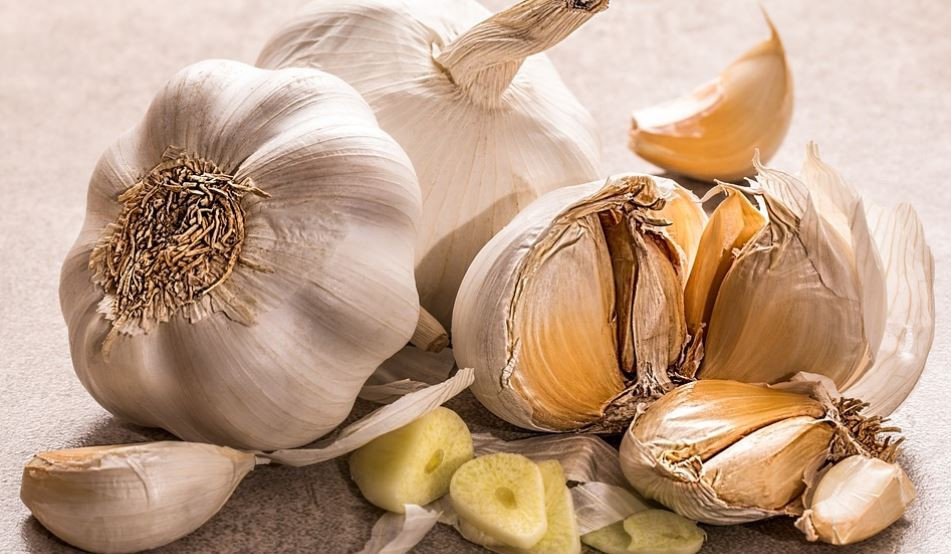
Kathmandu- Nepal is an import-heavy economy, bringing in massive amounts of goods from other countries—sometimes even when those goods aren’t produced locally. Lately, one product has been making headlines: garlic.
For years, Nepal imported around Rs. 1 billion worth of garlic annually—just enough to meet local demand. But in the first seven months of this fiscal year alone, that number jumped to Rs. 6.26 billion. And most of it is coming from China.
That kind of spike isn’t normal. Even government officials admit something is off.
What’s really happening?A growing pile of evidence suggests that Nepal isn’t just importing garlic for local consumption—it’s smuggling it into India.
India has banned Chinese garlic over concerns about high pesticide content and to protect its farmers. That ban has sent garlic prices soaring in India, creating a lucrative opportunity for traders.
The playbook is simple: Import cheap garlic from China, smuggle it across the border and sell it at high prices in India.
It’s happening on a large scale. Since the beginning of this fiscal year, Indian border security forces have seized tons of smuggled garlic.
Nepali's authorities have caught container as well:
- August-September: 16 tons of garlic seized and destroyed while being smuggled into India
- Mid-September: Nepal’s Revenue Investigation Department confiscated 11,000 kg in Nawalparasi
- November: A truck carrying 10 tons of garlic was intercepted in Sarlahi
The pattern is clear: Nepal is being used as a backdoor for Chinese garlic to enter India.
Why is this a problem for Nepal?
At first glance, it might seem like an easy way for traders to make money. But in reality, it’s bad for Nepal’s economy.
It drains foreign currency: Nepal is spending billions on garlic imports, but since much of it is smuggled into India, that money doesn’t circulate in Nepal’s economy.
It fuels informal trade, creates black-market networks, making it harder for authorities to regulate trade.
It strains Nepal-India relations: India has repeatedly urged Nepal to crack down on garlic imports and tighten border security.
Government officials admit they know what’s happening, but say it’s tough to control.
'We know this isn’t a good situation,' one customs officer said, 'just as we suffer losses when goods enter Nepal from India the same way.'