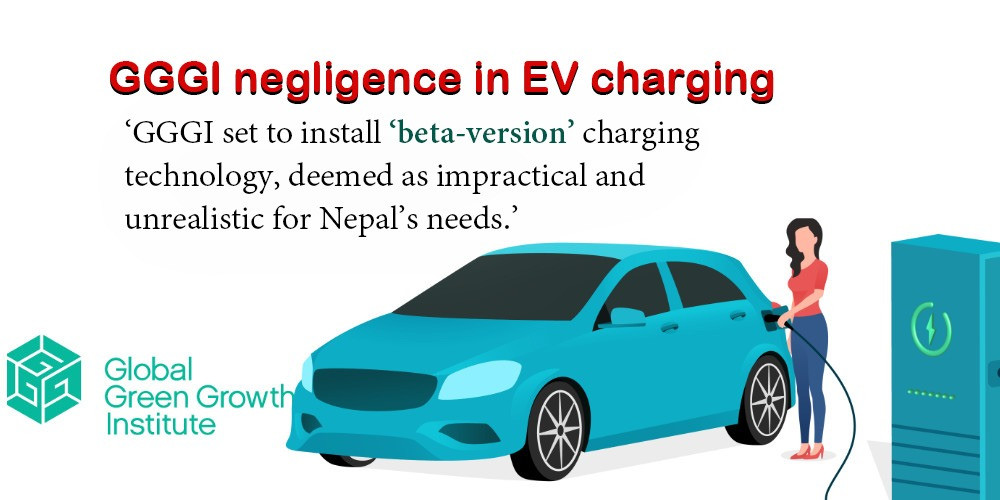
Insufficient IT Infrastructure for OCPP 2.0.1 Protocol: The OCPP 2.0.1 protocol requires high-speed, high-quality internet for features like smart charging, dynamic load balancing, and real-time diagnostics. However, many parts of Nepal, including areas for GGGI’s charging stations, lack the required internet infrastructure. Additionally, the cost of implementing OCPP 2.0.1 is high, and even developed countries face challenges adopting it. Nepal’s internet insufficiency makes it unlikely for the protocol to be implemented in time for the project’s completion.
Internet Issues: OCPP 1.6 requires 10-50 KBPS internet speed, which can be supported by Nepal’s 2G networks. However, OCPP 2.0.1 requires speeds of 100-300 KBPS just for charging, and 1 MBPS for advanced features like dynamic load balancing. Such speeds are unavailable in many non-urban areas of Nepal.
Financial and Technical Complexity in OCPP 2.0.1 Implementation: OCPP 2.0.1 requires advanced hardware and backend infrastructure, making it more expensive than OCPP 1.6. Nepal lacks the capacity to maintain and repair this advanced technology, and the financial and technical burden would be high for small businesses and government agencies.
Unclear Regulatory Policies: Nepal lacks clear legal and regulatory frameworks for electric vehicle charging, hindering investment in charging stations. Issues such as charging fees, maintenance agreements, and network compatibility remain unclear, creating uncertainty about who can use the stations and how they will be managed.
Access for Third-Party EV Users: GGGI’s tender does not clarify whether third-party EV users will be allowed to charge at project-created stations. If allowed, challenges arise around charging fees, payment collection, and access management. If denied, questions emerge about the use of publicly funded infrastructure and the criteria for restricting access.
Limited Local Capacity for Technical Support: GGGI’s tender document does not outline how local transport operators will be trained or supported. Nepal lacks skilled personnel to operate and maintain OCPP 2.0.1 systems, and without proper training, maintenance will be complex and costly.
Cybersecurity and Data Privacy: OCPP 2.0.1 uses encrypted communication, secure firmware updates, and data privacy protocols. However, Nepal lacks laws for data protection, and cybersecurity risks are high due to limited awareness. If security protocols fail, consumer trust will be damaged, and legal penalties may follow.
Scalability and Future-Proofing: OCPP 2.0.1 is designed to scale, but Nepal’s infrastructure struggles to support it. The growing EV market will add complexity to grid and charging station management. Upgrading Nepal’s grid is difficult, which could further hinder OCPP 2.0.1 implementation.
Lack of Technical Skills: The implementation of OCPP 2.0.1 requires skilled professionals in technology and protocol management. Nepal faces a shortage of electrical engineers and IT managers, making the maintenance and operation of such systems challenging.
Consumer Acceptance and Experience: OCPP 2.0.1’s advanced features may create problems for regular users, especially in rural areas with limited technical knowledge. The reliance on digital payments and mobile apps could pose difficulties in areas with limited access to such technologies, leading to a decrease in charging station usage.
Conclusion: The implementation of OCPP 2.0.1 faces significant challenges, including underdeveloped infrastructure, high costs, limited technical expertise, and regulatory issues. A more practical approach could involve starting with OCPP 1.6 and gradually transitioning to OCPP 2.0.1 as the necessary infrastructure and capacity are built.