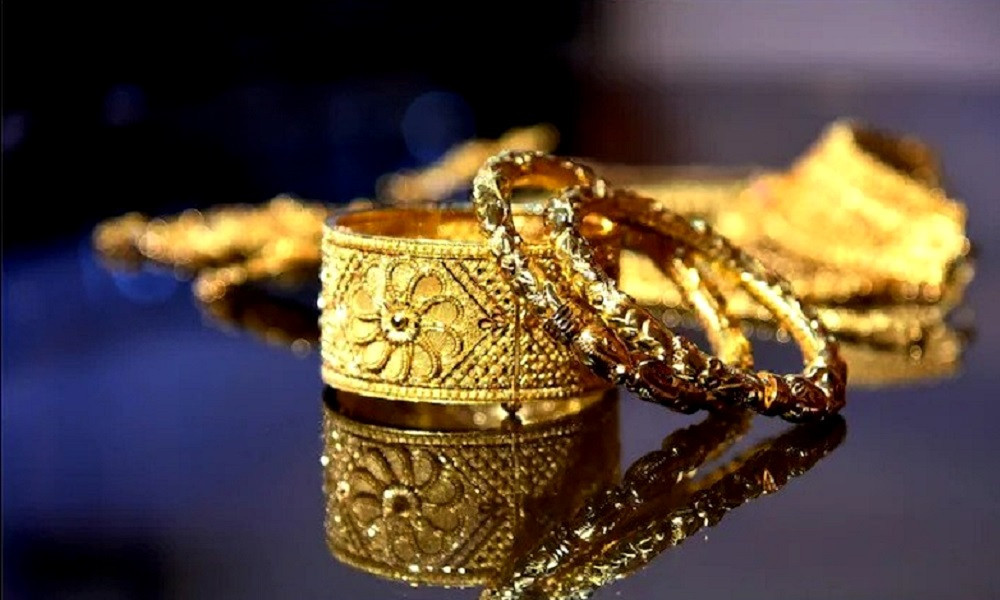
Kathmandu – The decline in global gold prices continues. On Friday, spot gold fell by 1.5 percent to 4,063 dollars per ounce. This week, gold prices dropped by 4.3 percent, the biggest weekly fall since November 2024.
The Federation of Nepal Gold and Silver Dealers’ Association has not set new domestic prices due to the public holidays that began on Kartik 3. At that time, the price of gold in Nepal was fixed at 253,500 rupees per tola.
Due to the sharp global drop and reduced demand for safe-haven assets, gold prices in Nepal are expected to fall by about 15,000 to 18,000 rupees per tola on Sunday. If market instability continues, global price movements will directly affect local prices.
On Tuesday, gold prices plunged by 6.3 percent in a single day, the largest daily decline in 12 years. The record-breaking rise in prices took a sharp turn downward during the Tihar festival.
Analysts attribute the fall to three main factors. A rebound in the US dollar. Easing trade tensions between the US and China. Profit-taking by investors after months of price gains.
Gold prices had risen by about 25 percent in the past two months. Analysts describe the current drop as a delayed but necessary correction.
Other precious metals also saw declines. The Trump administration’s signal of progress toward a trade deal with China, along with expectations of debt control and higher interest rates, reduced demand for gold.
Central banks had played a major role in the earlier rise in gold prices. Many countries increased their reserves as an alternative to the US dollar. In September alone, more than 26 billion dollars flowed into gold-backed exchange-traded funds.
According to Bloomberg, the current fall should not be seen as a long-term negative sign. With inflation and geopolitical risks still high, gold demand is expected to stay strong in the long run.