
Kathmandu- The Cabinet on Chaitra 22 decided to allow conversion of old internal combustion engine vehicles into electric vehicles and pledged legal facilitation. The Ministry of Physical Infrastructure and Transport has begun consultations with experts, but key questions on safety, testing, and feasibility remain unresolved.
The policy is not new.
Similar decisions were taken earlier, including a Gazette notice on Chaitra 14, 2078, and another ministerial decision in 2082. Both failed to move beyond announcements. No detailed laws, standards, or procedures followed. The latest decision again sets intent, but implementation remains uncertain.
A meeting at the ministry on Thursday brought together officials, engineers, and stakeholders. Participants stressed the need for a comprehensive study before moving ahead. They raised three core issues: economic viability, technical safety, and regulatory capacity. The meeting ended with a plan for further discussions.
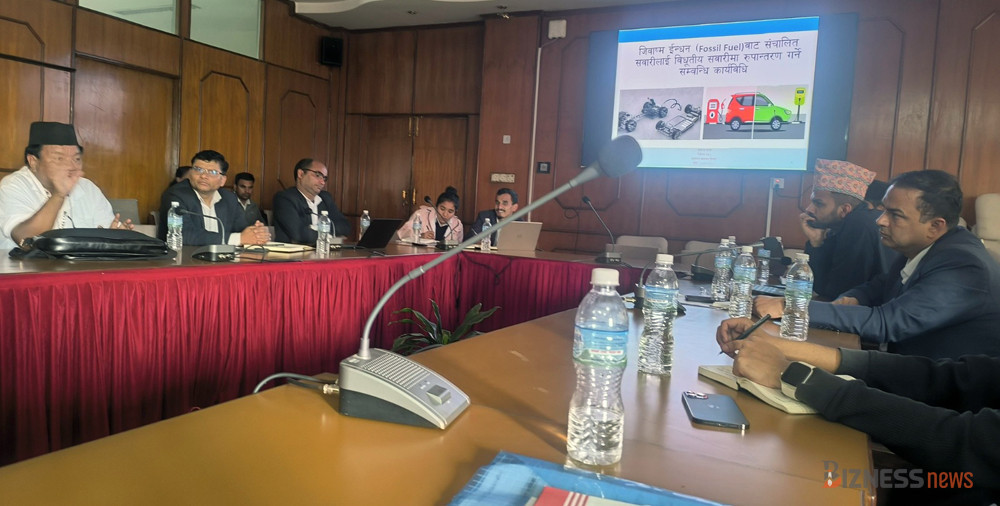
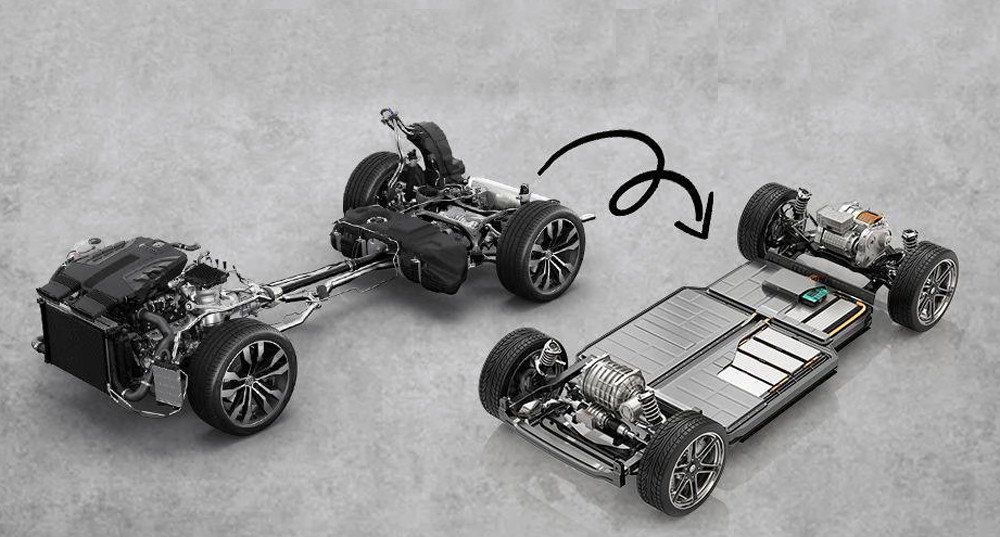
Conversion involves major structural changes. The entire powertrain is removed and replaced with an electric motor and battery. This alters the vehicle’s original design. Safety systems such as brakes, suspension, and steering depend on that design. Once modified, their performance can change. This raises concerns about road safety.
Weight balance is another challenge. Petrol engines and gearboxes are heavier than electric motors. Batteries add weight but must be placed carefully. In factory-built EVs, battery packs sit on a flat chassis for stability. In converted vehicles, space is limited. Batteries are often placed in the engine bay or boot. This affects the centre of gravity and handling. Poor balance can reduce control, especially at speed or on uneven roads.
Electrical integration is complex. Older vehicles have systems such as ABS, immobilisers, and instrument clusters designed for combustion engines. Converting them to run on electric systems requires rewiring and adaptation. Errors in wiring can lead to failures or safety risks. Technical expertise in this area is limited in Nepal.
Cost is a major barrier. Conversion requires importing motors, controllers, batteries, and other components. Labour costs add further expense. In many cases, the total cost approaches that of a new electric vehicle. Given that Nepal offers tax incentives on new EV imports, consumers may prefer buying new rather than converting old vehicles with uncertain reliability.
Serviceability is weak. Original equipment manufacturers do not supply conversion kits. Most kits come from aftermarket suppliers with limited support. Spare parts may not be available later. Maintenance becomes difficult if systems fail. Lack of standardisation also means each converted vehicle may require custom repair.
Testing and certification remain critical gaps. Nepal lacks advanced vehicle testing infrastructure. Authorities rely on certificates from manufacturers in other countries. For converted vehicles, this approach does not work. Only the body remains original. The rest of the system is new and unverified.
Officials admit they lack both equipment and trained personnel to assess key parameters. These include structural integrity, load balance, electrical safety, and long-term durability. Without proper testing, certifying such vehicles becomes unreliable.
The Auditor General has already flagged issues in EV imports, including underreporting of motor power. The report relied on calculations, not direct testing. This highlights broader weaknesses in regulatory capacity.
Experts warn that without clear standards, conversion could create unsafe vehicles on the road. They call for strict guidelines on design, installation, testing, and certification. They also stress the need for pilot projects and controlled trials before large-scale approval.
For now, the government’s decision signals intent but not readiness. Legal frameworks, technical standards, and testing systems must come first. Without them, large-scale conversion of old vehicles into EVs may pose more risks than benefits.
© 2026 All right reserved to biznessnews.com | Site By : Sobij
© 2026 All right reserved to biznessnews.com | Site By : Sobij