
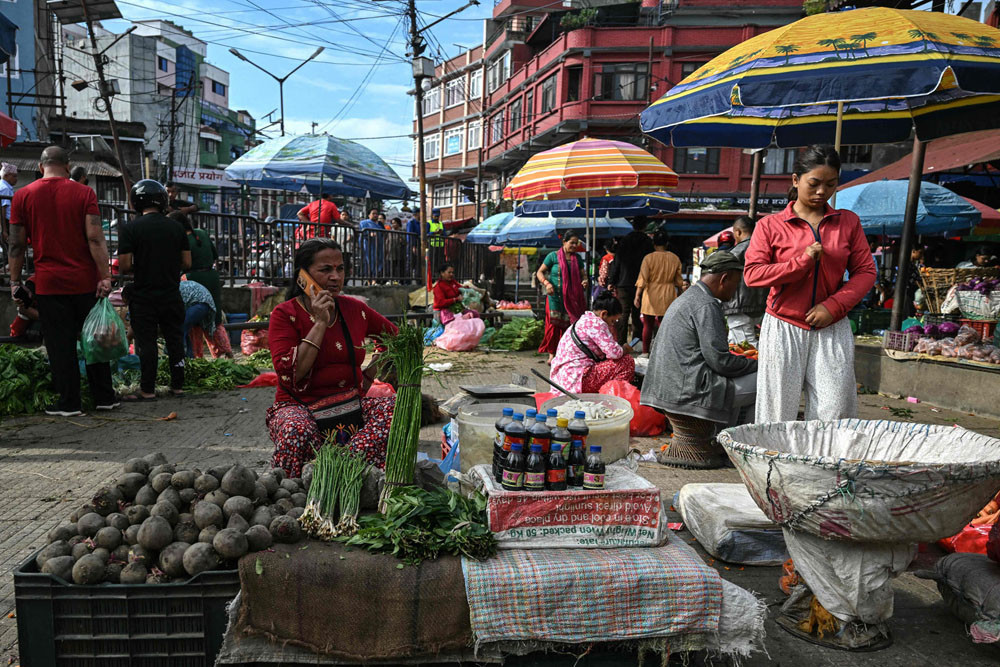
Kathmandu-Consumer price inflation remained under control at the beginning of fiscal year 2025-26 but started rising sharply toward the end of the year.
According to the latest data from Nepal Rastra Bank, inflation followed a clear downward trend during the first half of the fiscal year before reversing course in recent months. Inflation reached 5.04 percent in Baisakh, exceeding the central bank's target of 5 percent.
Annual point to point inflation stood at 4.47 percent in Shrawan. It fell to 3.25 percent in Bhadra and 3.62 percent in Ashoj. The rate dropped further to 2.42 percent in Kartik, 1.63 percent in Mangsir, and 1.11 percent in Poush. This was one of the lowest inflation levels seen in recent years.
Until Poush, prices remained relatively stable. Food supplies from India were smooth. International crude oil prices stayed largely stable. Weak domestic demand also helped keep inflation low.
The trend began to change after Poush. Inflation rose to 1.87 percent in Magh and stood at 1.47 percent in Falgun. Although inflation remained under control during this period, pressures were gradually building.
In Chaitra, inflation jumped sharply to 4.47 percent. It increased further to 5.04 percent in Baisakh. The rise signaled growing price pressures across the economy.
Several factors contributed to the increase. Higher petroleum prices raised transportation costs. Rising logistics expenses pushed up the cost of goods. Supply pressures also affected the prices of some food items.
Tensions in West Asia have added to the pressure by pushing up global crude oil prices. Nepal imports all of its petroleum products, making the economy highly vulnerable to international price movements. Higher fuel costs increase transportation and production expenses, which eventually raise consumer prices.
Inflation fell steadily during the first six months of the fiscal year but reversed in the second half. The rate climbed from 1.11 percent in Poush to 5.04 percent in Baisakh, nearly a fivefold increase in just five months.
The latest trend suggests that controlling inflation could become more challenging for both the government and Nepal Rastra Bank in the coming months. If global oil prices continue to rise, tensions in West Asia intensify, or supply chains face disruptions, inflationary pressures in Nepal could increase further.
© 2026 All right reserved to biznessnews.com | Site By : Sobij
© 2026 All right reserved to biznessnews.com | Site By : Sobij