
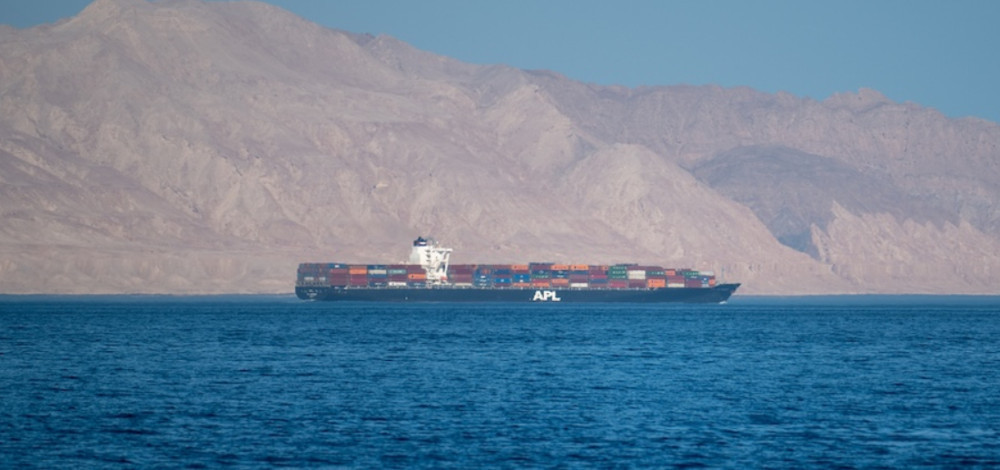
Kathmandu - As military tensions between Iran and Israel escalate, global economic uncertainty continues to deepen. Amidst this backdrop, Iran has threatened to shut down the Strait of Hormuz—one of the world’s most vital petroleum shipping routes.
This move could significantly impact not only energy supply, shipping costs, and inflation but also trade sentiment, investment, and regional stability.
The Iran-Israel conflict is showing signs of extending beyond regional borders, posing a serious threat to global energy security.
Currently, nearly 20 to 30 percent of the world’s crude oil is transported through this route. A closure would disrupt critical supply chains and have a profound economic impact—especially on energy-dependent nations such as India and China.
Following Israel’s strike on Iran on June 13, global energy markets responded sharply: Brent crude prices rose nearly 10 percent, and natural gas prices increased by 7 percent.
While the current price surge may not immediately trigger a spike in inflation, analysts warn of serious long-term repercussions.
If the U.S. becomes directly involved and Iran launches retaliatory action, leading to a shutdown of the Strait of Hormuz, global supply networks could face severe disruption.
Countries including Iran, Iraq, Kuwait, Qatar, Saudi Arabia, and the UAE rely on this passage for daily crude oil exports.
According to the International Monetary Fund (IMF), the number of tankers passing through the Strait has already dropped noticeably.
Meanwhile, insurance premiums and shipping costs have risen sharply.
Current energy price hikes are expected to raise inflation by 0.4 percentage points in China and 0.2 points in the UK.
However, since the effects of rising energy and shipping costs typically take time to feed into consumer prices, major central banks have not yet been forced to alter interest rates.
The U.S. Federal Reserve, the Bank of England, and the European Central Bank have all maintained current monetary policies, though they have warned of adopting a tighter stance if tensions escalate further.
At the same time, the regional impact of the conflict is becoming more pronounced.
Countries such as Egypt, Jordan, and Lebanon are seeing declines in tourism-related flights and foreign investment, while pressure on foreign exchange reserves is mounting.
If the war intensifies, a new refugee crisis could emerge—placing significant strain on the budgets of neighboring nations.
Following Russia’s invasion of Ukraine—which led to surging defense spending and mounting debt—developed countries now face renewed pressure to re-prioritize their budgets.
With borrowing costs high, tax increases politically difficult, and social demands intense, governments are signaling a shift away from social spending in areas like education and health in favor of expanding defense budgets.
Although the Iran-Israel conflict has not yet caused a dramatic global inflation spike, Iran’s threat to shut down the Strait of Hormuz has elevated the situation into a pressing issue of global energy security.
The implications now extend far beyond oil prices—posing long-term risks to global supply chains, industrial production, and economic growth.
© 2026 All right reserved to biznessnews.com | Site By : Sobij
© 2026 All right reserved to biznessnews.com | Site By : Sobij