
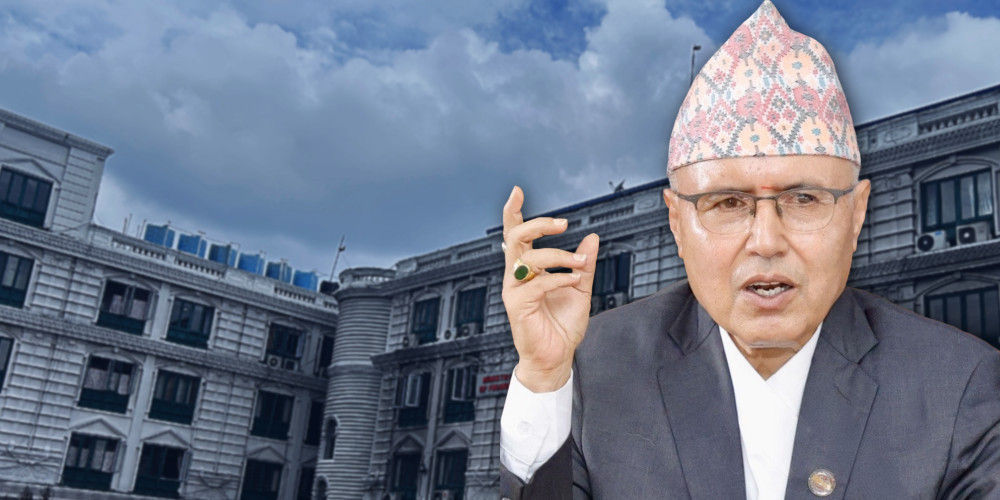
Kathmandu-Finance Minister Rameshwor Khanal has begun long-delayed customs reforms aimed at transparency and efficiency.
Though Nepal joined the World Trade Organization (WTO)in 2002 and invested heavily in customs modernization, reform had stalled amid entrenched malpractice.
For years, customs officials relied on a ‘reference value book’ to determine import values instead of accepting traders’ official invoices.
This system, enforced arbitrarily, often penalized small businesses.
Even when importers presented genuine invoices, customs rejected them if the declared value was lower than the reference price.
The practice contradicted WTO rules, which allow six valuation methods based on transaction or comparable prices.
Despite repeated demands from traders and support from political leaders, the system persisted.
Minister Khanal has now taken action to replace it with a digital, self-declaration-based system. The pilot program, launched at Biratnagar Customs Office, enables electronic valuation and clearance using a verified database.
After its success, it has expanded to Birgunj, the country’s largest customs point.
The new system aims to eliminate the outdated reference value book and make customs procedures automated and transparent.
It is expected to lower trade costs, reduce corruption, and encourage compliance.
An electronic ‘risk engine’ will monitor suspicious transactions, enabling investigations at destinations instead of highway inspections.
The Federation of Nepalese Chambers of Commerce and Industry has welcomed the reform, calling it a long-overdue step toward fair trade practices.
According to Khanal, the initiative marks the real beginning of customs modernization in Nepal.
The government plans to further refine the system and align it with international standards, ensuring transparency, accountability, and efficiency in trade operations.
© 2026 All right reserved to biznessnews.com | Site By : Sobij
© 2026 All right reserved to biznessnews.com | Site By : Sobij