
Kathmandu- Between 2010 and 2020, Nepal's economy seemed poised for takeoff. Despite natural disasters and persistent managerial inefficiencies, the decade stood out for its abundance of resources and the groundwork laid for key structural reforms.
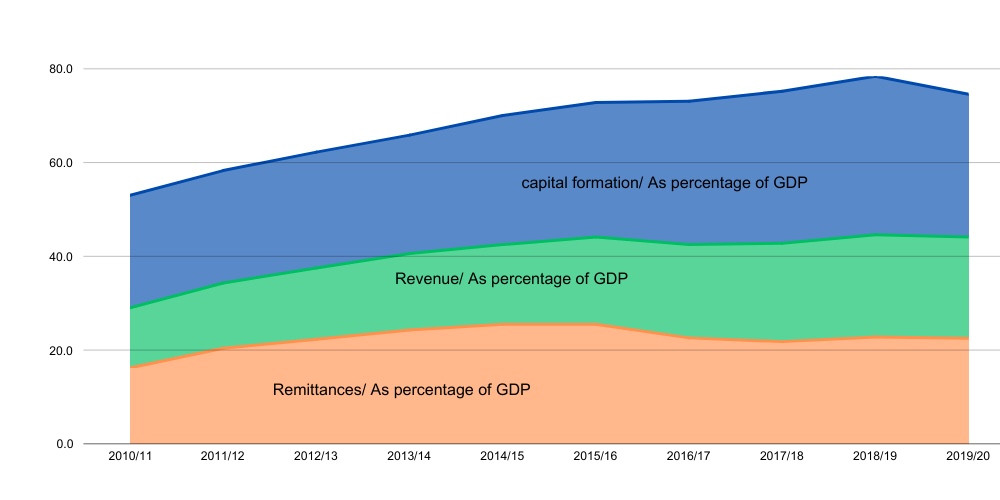
Optimism swirled as revenue collection and remittance inflows surged, creating fertile conditions for capital formation-a critical pillar of sustainable economic development.
Much of this momentum was fueled by remittance-driven consumption and government revenues, reflected in statistical highs for capital formation. Revenue, remittances, and capital formation reached record peaks, continuing the upward trajectory established in the previous decade.
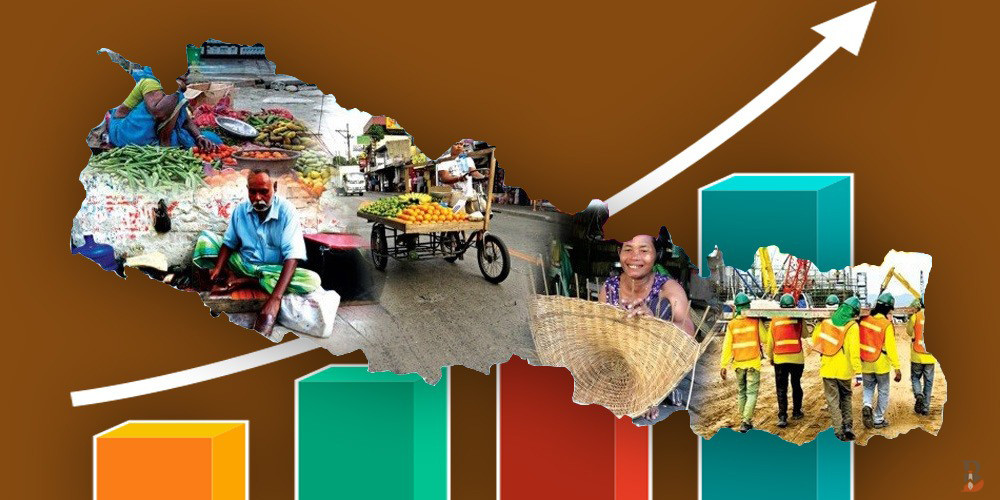
Yet, this seemingly golden era didn’t deliver the economic transformation many hoped for. Beyond a brief three-year window of moderate improvement, the economy failed to gain meaningful traction.
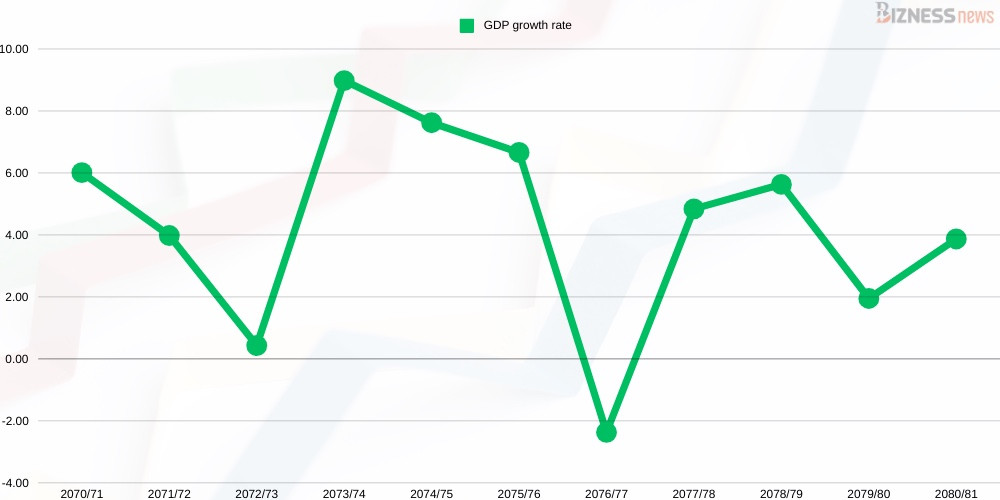
Growth remained stagnant, stuck in a puzzling limbo. Despite meeting revenue targets and enjoying robust remittance inflows, Nepal’s economy neither expanded significantly nor contracted meaningfully. The state of stagnation raised a critical question: Was the capital formation of this period genuine, or merely a mirage?
Dr. Biswas Gauchan, Executive Director of the Institute for Integrated Development Studies (IIDS), identifies ineffective resource mobilization as the crux of the problem.
'If we compare capital formation during that time, it was on par with India’s levels and even higher than those of many countries with similar conditions. But the issue was that these resources weren’t utilized effectively,' he says.
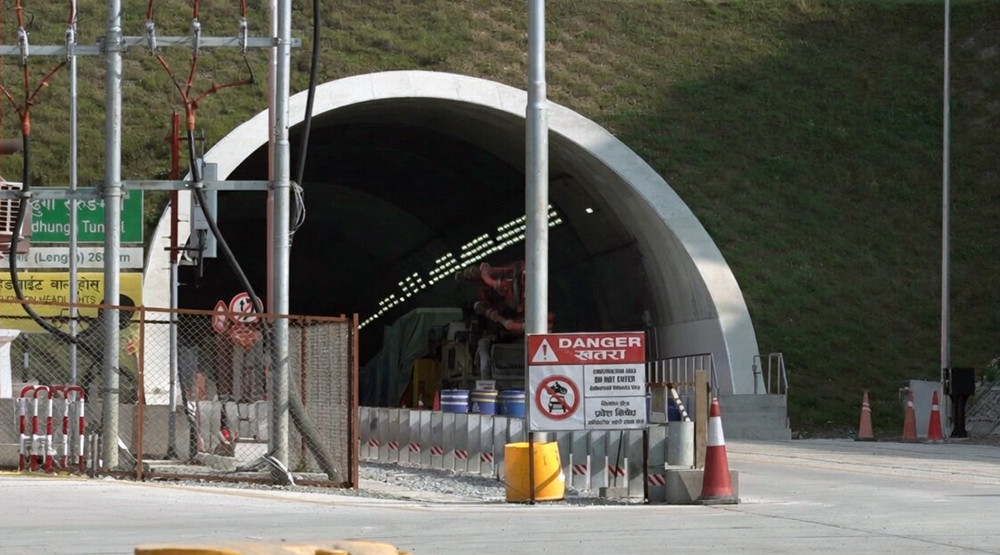
Dr. Gauchan points to Nepal’s public development model as a key culprit. Major infrastructure projects, some under construction for nearly three decades, languish incomplete.
Annual expenditures on these projects are classified as capital formation in economic statistics, but their chronic delays have prevented them from contributing to real growth. Thousands of such projects remain perpetually in the 'under construction' phase, rendering the reported capital formation hollow.
The inefficiencies didn’t stop at public projects. Private capital, along with resources from banks and financial institutions, also fell short of their potential. Dr. Gauchan argues that poor resource mobilization extended across all levels-from individual households to government ministries-dampening what could have been a transformative decade.
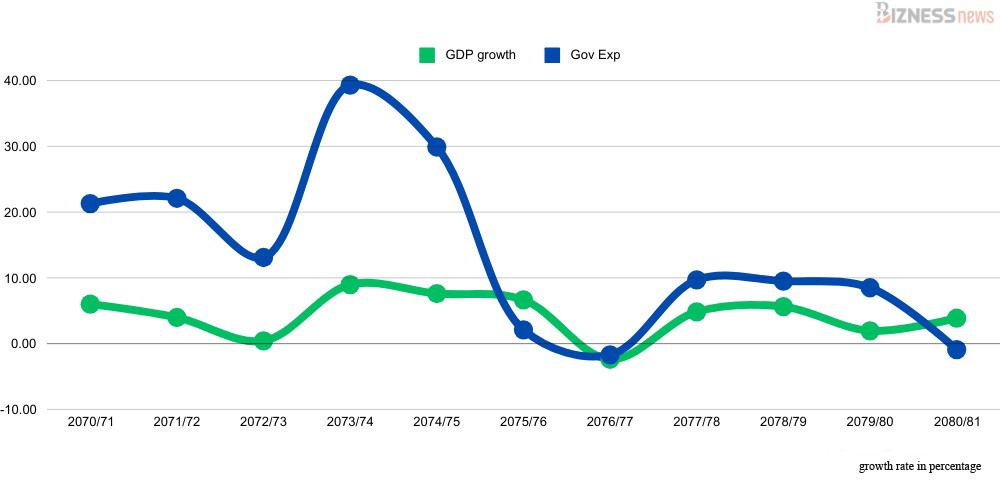
'This was a squandered opportunity,' says Dr. Gauchan, lamenting the lack of strategic vision and systemic mismanagement that prevented Nepal from harnessing its economic potential.
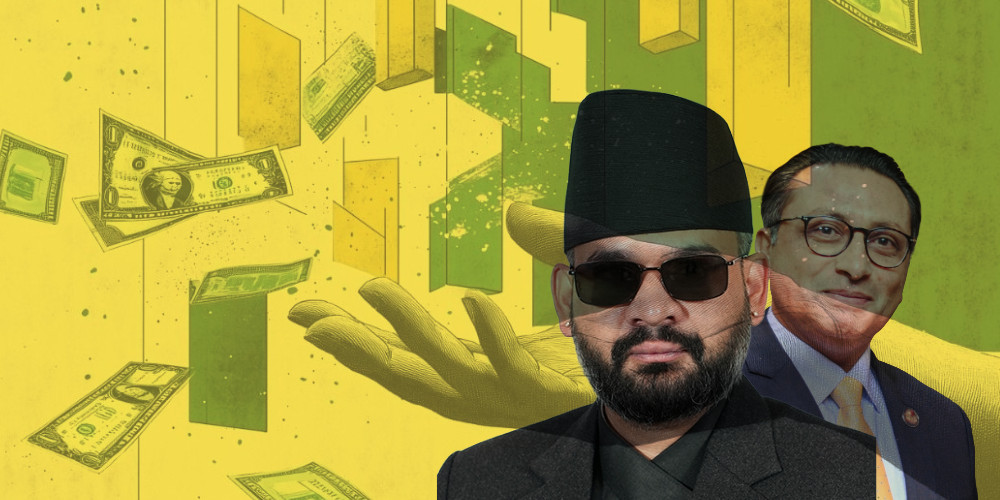
Former Finance Minister Dr. Prakash Sharan Mahat underscores the gravity of these structural flaws. Reflecting on his time in office, he points to a deeper crisis of direction within government programs.
'During my 11 months as Finance Minister, I often struggled to get clear answers to basic questions-why a program was started or what its purpose was. That lack of clarity and focus didn’t just hinder decision-making; it brought the government to the brink of collapse,' he says.
© 2026 All right reserved to biznessnews.com | Site By : Sobij
© 2026 All right reserved to biznessnews.com | Site By : Sobij