Kathmandu- E-sports, a modern form of competitive gaming, has steadily gained popularity among Nepal’s younger generation. Although not as mainstream as traditional sports, the e-sports industry is rapidly growing both globally and within Nepal.
Early Days: Fun Over Competition The beginning of e-sports in Nepal was informal. In the early 2000s, with the introduction of cyber cafes in Kathmandu, gaming became a popular pastime. People played casually for fun rather than competition. Games like Counter-Strike (CS) and DOTA were among the first titles embraced by small, enthusiastic groups who formed teams and participated in small-scale tournaments. However, e-sports wasn't yet recognized as a legitimate sport.
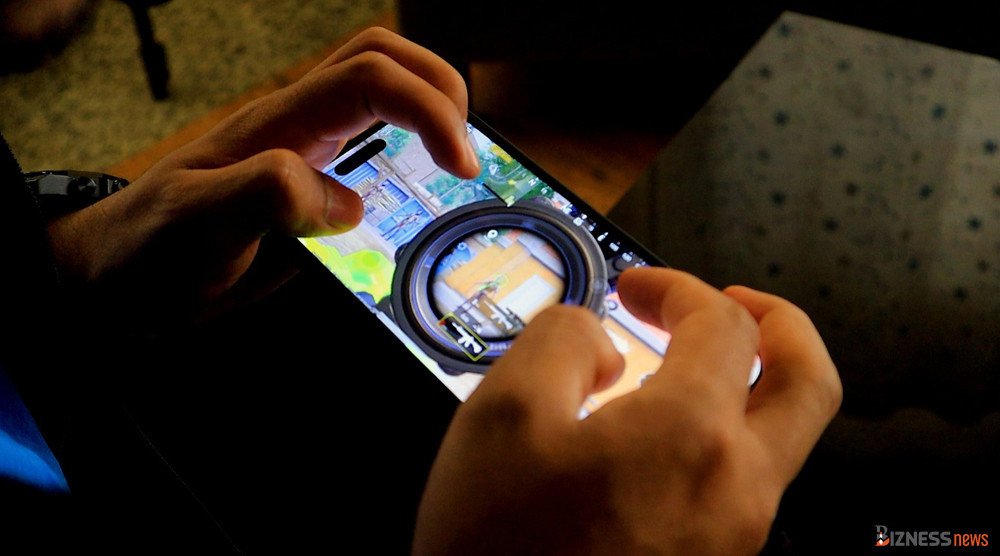
PUBG Mobile: The Game-Changer The real transformation began around 2017-18, with the arrival of PUBG Mobile. Affordable mobile phones and internet access allowed a wider audience to engage with e-sports.
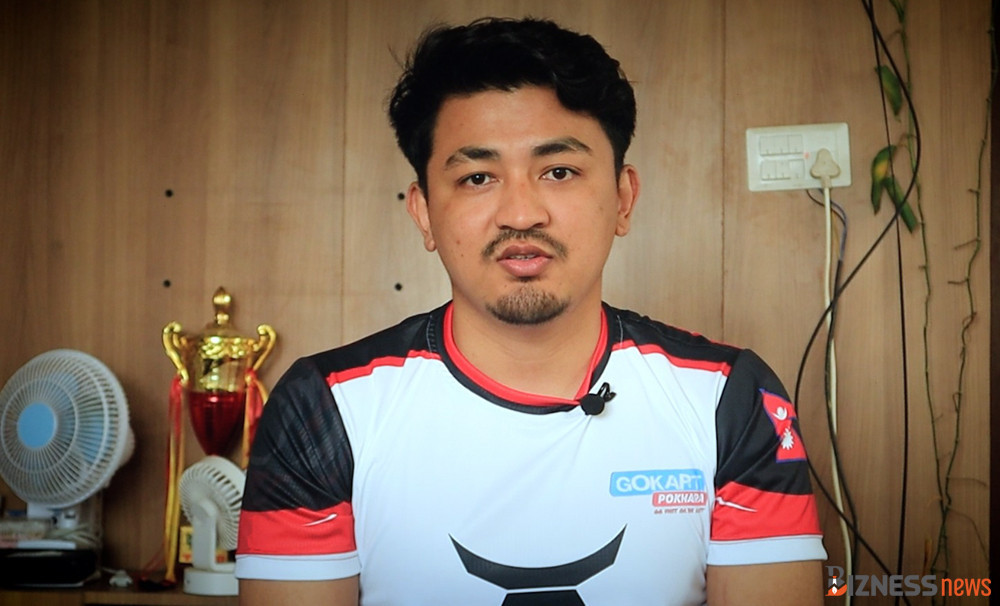
According to Bipul Bhattrai, media coordinator of Team T2K, 'PUBG Mobile revolutionized Nepal’s e-sports scene. Young people formed teams and started participating in international arenas.' The industry's growth accelerated during the COVID-19 pandemic when lockdowns forced people indoors.
Bhattrai said, 'During the pandemic, people had nothing to do but play mobile games, and e-sports reached its peak.'
An important shift occurred when India banned PUBG Mobile during this period. Indian teams were excluded from regional competitions, allowing Nepali teams to fill the vacant slots. As a result, the number of competitive Nepali e-sports teams increased significantly.
Growing Professionalism and Opportunities Today, PUBG Mobile is the dominant e-sports title in Nepal. Events such as the PUBG Mobile National Championship (PMNC) have seen massive participation — in one event alone, over 1,100 teams registered, involving around 4,000 players.
According to Bhattrai, around 50-60 teams are now operating professionally, hiring players and managers on salaries, and even registering as private companies. Prize pools from tournaments and regular events provide major revenue streams for players and teams.
The Esports World Cup, organized by the Saudi government, is one of the largest events, featuring more than 30 games and offering multi-million dollar prize pools. PUBG Mobile alone carries a prize pool worth $3–4 million .
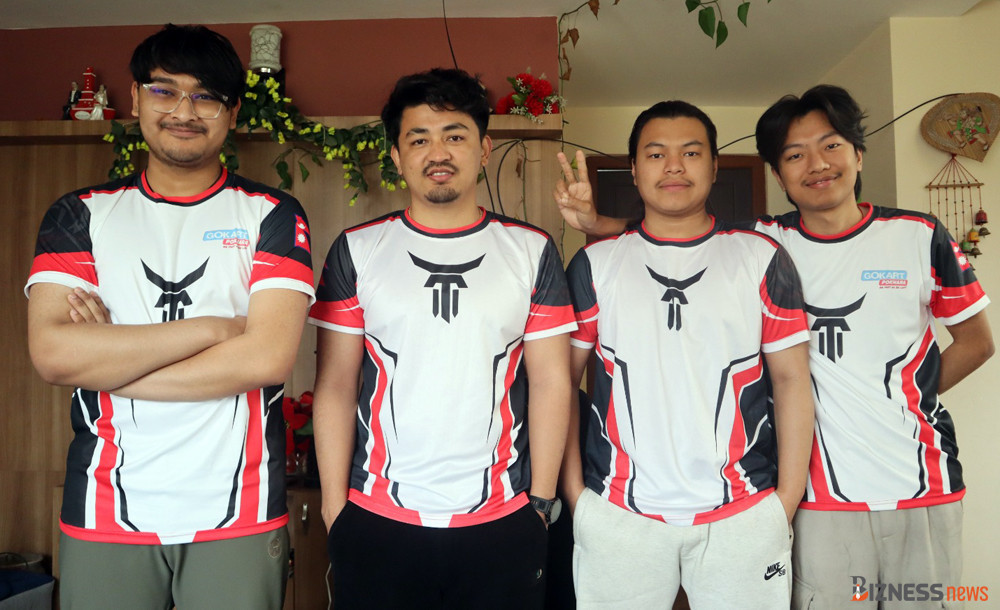
Team T2K
Besides PUBG Mobile, other games like Mobile Legends and Honor of Kings are gaining traction. Last year, a Nepali team even qualified for the Esports World Cup through Mobile Legends.
Meanwhile, there is now increasing recognition from official bodies.
The Nepal Esports Association (NESA), established in May 2016 as a non-profit company, is leading efforts to promote and professionalize esports in Nepal. Recognized by the Nepal Olympic Committee (NOC), NESA is a full member of the International Esports Federation (IESF), the Global Esports Federation (GEF), and the Asian Electronic Sports Federation (AESF).
Under the leadership of its President, Suraj Dangol, NESA has been actively building an esports ecosystem, focusing on partnerships with business houses and educational institutions. 'We have been looking at what esports can do and why it is important. We have spent a lot of time engaging with businesses and the education sector,' said Dangol. With the International Olympic Committee (IOC) endorsing esports and announcing the first-ever Olympic Esports Games to be held in Riyadh, Saudi Arabia, in 2027, NESA is stepping up its initiatives. One major program is 'School Podium to Olympics,' which aims to nurture young talent by introducing esports training in schools and assigning professional trainers to groom students for Olympic-level competition.
Dangol, a tech-savvy leader inspired by South Korea’s vibrant gaming culture, recalled how discussions with the then-general secretary of the NOC led to the foundation of NESA in 2016. 'With the help of Shrestha, we communicated with the International Esports Federation and formed NESA,' he said.
Since its inception, NESA has hosted the Nepal Esports Championship, with four editions completed and the fifth on the horizon. The upcoming championship will serve as a gateway for Nepali players to qualify for the World Esports Championship 2025. 'This is a fantastic opportunity for Nepali gamers to showcase their skills on an international stage,' Dangol emphasized.
To further strengthen the esports landscape, NESA recently signed a three-year Memorandum of Understanding (MoU) with the Nepal Chamber of Commerce (NCC) Education Department, aims to promote major sports, fitness, and esports events in Nepal.
NESA is also collaborating with the Confederation of Nepalese Industries Young Entrepreneurs Forum (CNIYEF) and the Federation of Nepalese Chambers of Commerce and Industry (FNCCI).
'Esports is the future,' Dangol said, adding that the rapidly growing global esports viewership, expected to surpass 640 million by 2025, demonstrates its immense potential. "The viewership of esports is now among the top five globally — even higher than the combined viewership of Hollywood films.'
However, Dangol noted that challenges remain, particularly the absence of formal laws and regulations for esports in Nepal. 'The government is still trying to understand the structure of esports. It’s a new thing, and it will take time,' he said. NESA is advocating for regulatory frameworks, including anti-cheating measures and anti-doping protocols in collaboration with international bodies like AESF and WADA (World Anti-Doping Agency).
Nepal's participation in esports at the 19th Asian Games in Hangzhou, China, marked a major milestone. Twenty-two players represented Nepal across five games, achieving fifth position in three of them. 'It was an average performance, but the experience was invaluable. Our players saw firsthand the scale and professionalism of esports at an international level,' said Dangol.
The achievement has helped convince the government of esports' potential, encouraging greater support for future endeavors. Despite the deep-rooted history of traditional sports like cricket and football in Nepal, esports is carving out its place in the sporting ecosystem.
'Esports is still young compared to other sports, but the scope has increased significantly. In just 10–20 years, esports globally has achieved what took traditional sports over a century,' Dangol said. 'If we continue to push, Nepal can reach the international standard. We are already performing well in South Asia and are preparing for the Olympic Esports Games in 2027.'
Experience of people involved in e-sports:
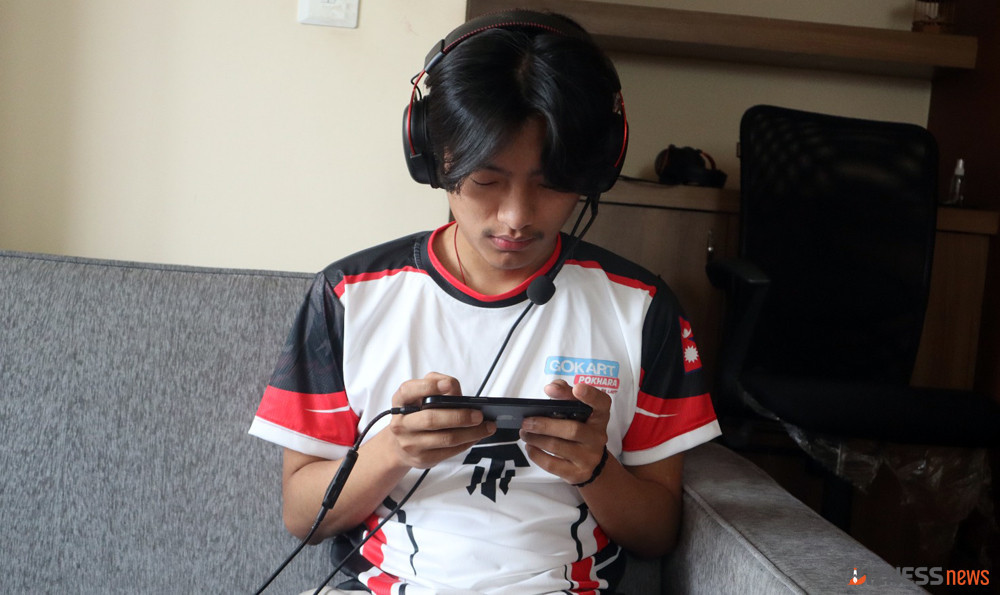
Gifted My Parents a House by Playing PUBG: Subin Kumar Prajapati, Gamer
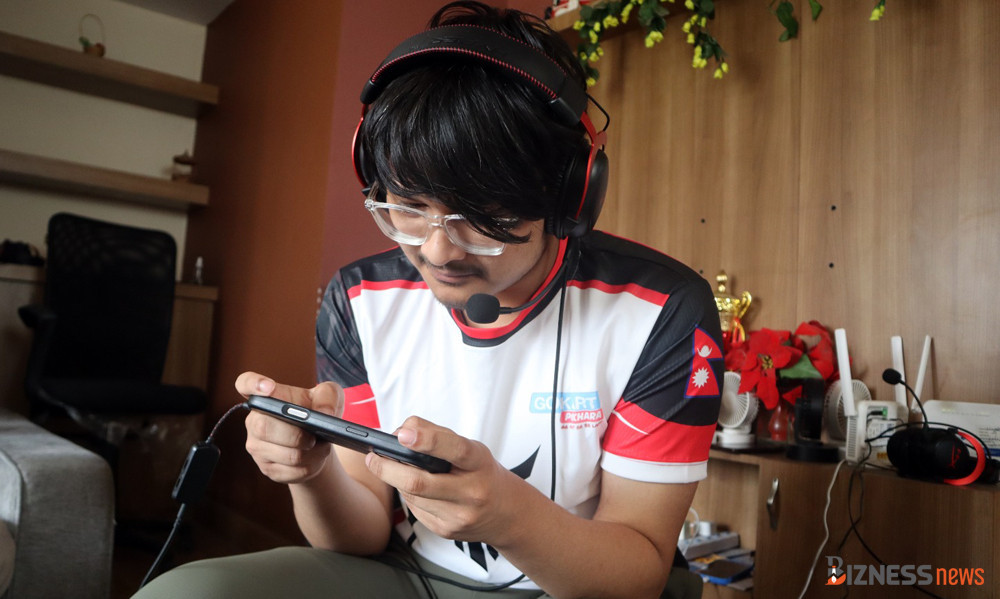
I used to work as a DJ, but everything came to a stop during the COVID-19 lockdown. With nothing else to do, I turned to something I had loved since childhood—video games. That’s when I started playing PUBG.
At first, I couldn’t afford a good phone because my income was low. So I went back to work, saved up, and bought a better device. Then I returned to PUBG and joined a team called Ekta, beginning my journey as a professional player. My first tournament was in Pokhara.
Initially, my parents didn’t accept e-sports as a serious career. But I kept improving and showed them what was possible. As my performance grew, so did my income. What started with just Rs. 10,000 a month eventually reached Rs. 200,000.
With the money I earned playing PUBG, I gifted my parents a house—a moment that stands as one of the proudest in my life. I come from a lower-middle-class background, so I always dreamed of doing something meaningful for my family. That dream, along with my determination, kept me going. I’m proud that I could give back at such a young age.
In one season, I won both the PMCO and PMPL tournaments of PUBG Mobile. I also represented DRS in the PUBG Global Championship—essentially the World Cup of PUBG—and we finished second.
PUBG Started as Fun—Now It’s Changing My Life: Ajay Shrestha, Gamer
I’m 19 now, and I’m truly happy to be making something out of PUBG while living in Nepal. What began as just a fun pastime has turned into a solid source of income.
At first, my family didn’t really support me. But as I started showing real progress, their support grew. These days, they’re often more excited than I am when I head off to tournaments—whether in Nepal or abroad.
I’m working hard to become one of the top players in this game, and I’m fully committed to making that goal a reality.
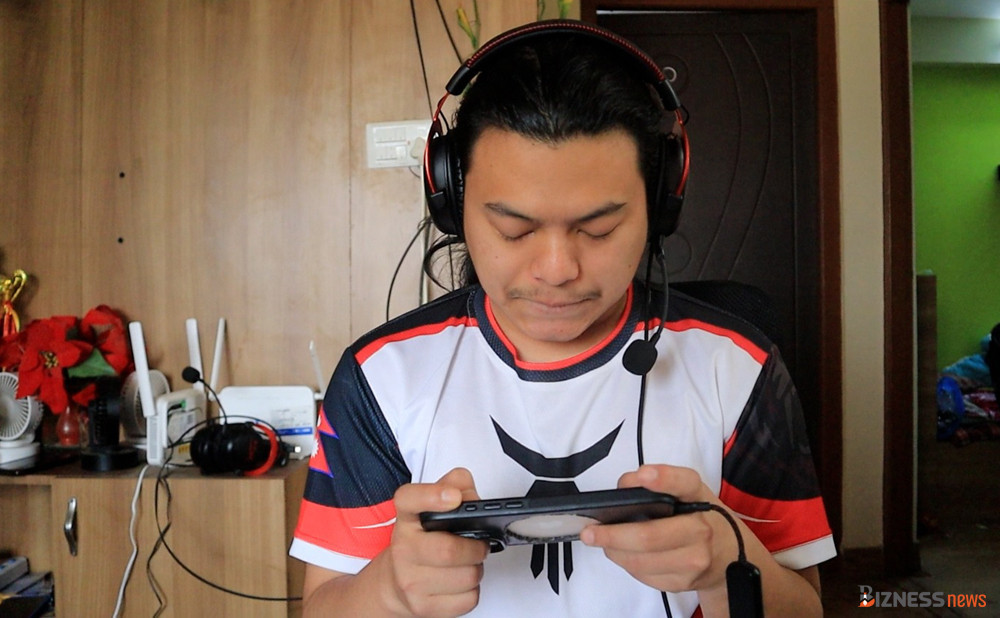
PUBG Means More to Me Than the Family Business: Mausam Gurung, Gamer
I started playing PUBG just for fun. Since I played a bit better than most, I gradually found my place in the PUBG community. Now, I’m part of one of the top teams in Nepal.
My dad, especially, never liked that I played PUBG. He wanted me to take over the family business. He’s even told me he’d give me more money than I make from gaming if I stayed home and worked with him. But my passion lies in PUBG.
As long as I can play, I’ll keep going. When the time comes and I can’t continue, I’ll explore other options.
A Bright Future Ahead: Dipesh Gurung, Gamer
What started as a fun hobby has now become a professional pursuit with PUBG. It’s been three years since I started taking it seriously, and I’m committed to giving my best and continuing forward. If it doesn’t work out, there are always other career options to explore.
I believe there’s great potential in this field. If I keep playing well, things will fall into place. My family supports me, and I’m hopeful for a promising future in this industry. Let’s see what happens.
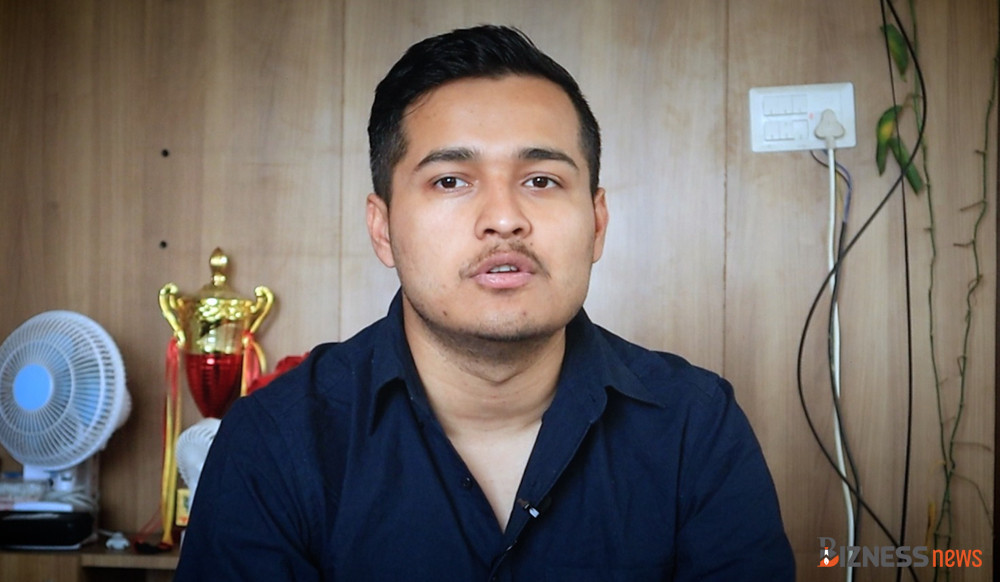
E-Sports Is Now a Professional Industry: Bipul Bhattarai, Content Creator - Team T2K
No one could have imagined that e-sports, once limited to a few cyber cafés in Kathmandu, would evolve into a professional industry. But with the rise of PUBG Mobile, everything changed. Gaming suddenly exploded across Nepal. When India banned PUBG during the COVID lockdown, it became a golden opportunity for Nepali teams.
Today, e-sports is flourishing in Nepal. Teams are going professional, and players are earning real salaries. Thousands of people are now participating in tournaments. I’m excited to be part of this rapidly growing sector.
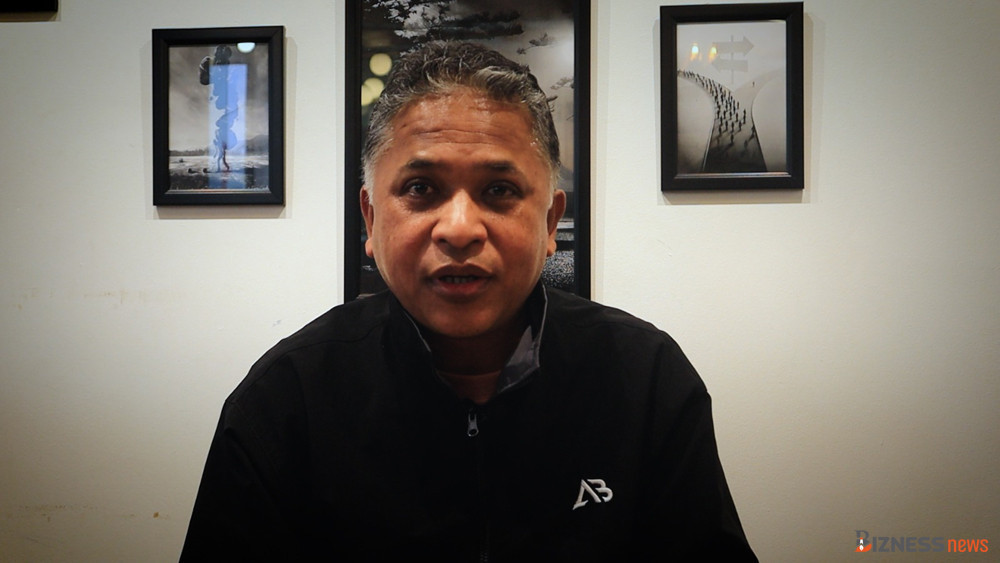
E-Sports Is the Future: Suraj Dangol, President - Nepal E-Sports Association
During my time in South Korea, I saw the thriving gaming culture and knew I wanted to bring e-sports to Nepal. With the support of the Nepal Olympic Committee, we founded the Nepal E-Sports Association in 2016. The first Olympic e-sports games will be held in 2027, and we’re working hard to develop the e-sports ecosystem for that.
The future looks incredibly promising for Nepali e-sports. The unprecedented rise in global e-sports viewership has motivated Nepal to capitalize on this growing opportunity.