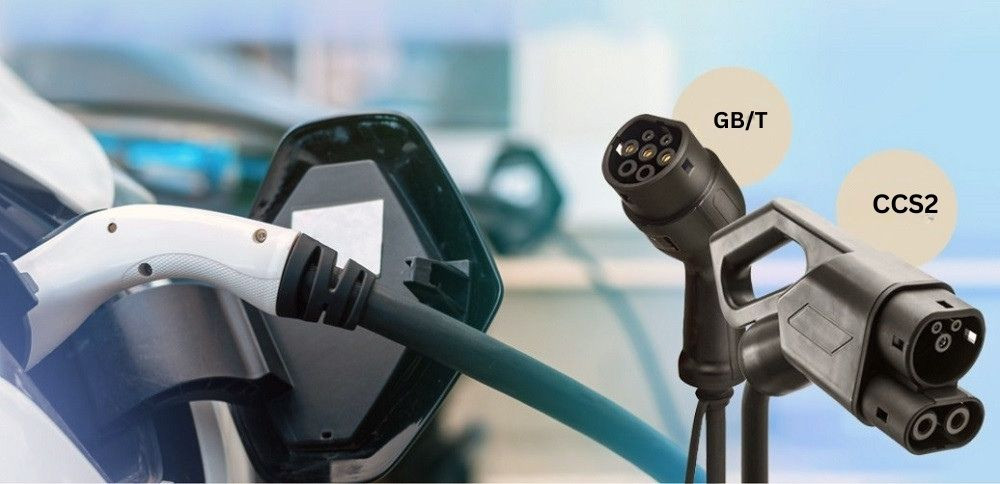
Kathmandu- Electric vehicles use different charging technologies, mainly GB/T and Combined Charging System standard (CCS2).
CCS2 is mostly used in electric cars, while GB/T is common in public transport like electric vans, microbuses, light commercial vehicles, and large buses.
However, both GB/T and CCS2-equipped vans and microbuses are being imported for public transport in Nepal.
This mix could disrupt Nepal’s long-term plan to electrify public transport. So, business owners urge the government to enforce a single charging port standard for imported public electric vehicles.
Some brands now import public electric vehicles with CCS2 ports, which are costlier than GB/T .
CCS2 is a European and American standard, while GB/T is developed by China. Chinese vans and microbuses are cheaper when using GB/T since it's their native technology.
Passenger cars use CCS2, but their usage is different. Commercial vehicles run on various routes, requiring many charging stations. This raises costs for consumers and forces the government to spend foreign currency on importing different chargers and maintaining them. Therefore, using only GB/T for microbuses, vans, and commercial electric vehicles would be more practical.
Currently, most imported public electric vehicles—including large buses bought by Sajha Yatayat—use GB/T . Only Foton and Sokon brands use CCS2. Most electric vehicles come from China and use GB/T . Even India’s Tata Ace EV, a light commercial vehicle, uses GB/T .
So, standardizing the GB/T system for public electric vehicles makes sense. Today, charging stations are mostly in hotels. Since only a few microbuses use CCS2, hotels see CCS2 chargers as a waste.
They prefer GB/T , which serves more vehicles. Using CCS2 increases costs without real benefit and causes unnecessary foreign currency loss.
Why GB/T Charging is the Best Choice for Nepal’s Public Electric Vehicles
Nepal is moving toward electric public transportation, and choosing the right charging system is very important for saving money, avoiding technical issues, and building a strong, reliable network. Right now, two main types of EV charging systems are used in Nepal: GB/T from China and CCS2 from Europe. For Nepal’s situation, GB/T is the better option — especially for public vehicles like buses, microbuses, and taxis.
Matches the Vehicles We Import
Most electric vehicles used in Nepal come from China, including public buses and vans. These vehicles already support GB/T charging. If Nepal starts using CCS2 chargers for just a few vehicles, it will create confusion, increase costs, and make things more difficult. Sticking with GB/T keeps everything simple and consistent.
Easier to Repair and Maintain
Since GB/T is a Chinese technology, Chinese technicians who already work in Nepal can easily fix and maintain these chargers and vehicles. It’s faster and cheaper to get support when the charger and vehicle are from the same country. This is important for public transport that runs on a schedule and can’t afford delays.
Simple Technology that Works
GB/T chargers use a simpler system to communicate with vehicles. In Nepal, where advanced tools and equipment aren’t always available, this is a big benefit. It means fewer problems and more reliable charging.
Cheaper to Build Charging Stations
Setting up charging stations across Nepal will cost a lot. GB/T chargers are cheaper than CCS2 because they are made in large numbers in China. Using only one type of charger like GB/T will also make it easier and faster to expand the network without spending too much.
Stronger Ties with China’s Technology
Nepal imports many things from China, and China helps with building roads, power stations, and more. By choosing GB/T, Nepal can easily use new Chinese technology in the future — like faster chargers or solar-powered stations — with help from experts just across the border.
Conclusion
As Nepal builds its electric transport system, it should choose options that are affordable, easy to use, and practical. GB/T is already used in most vehicles we import, is easy to maintain, and helps save money. If Nepal uses GB/T as the standard for public electric vehicles, it will be easier to build the charging network and keep things running smoothly for years to come.