

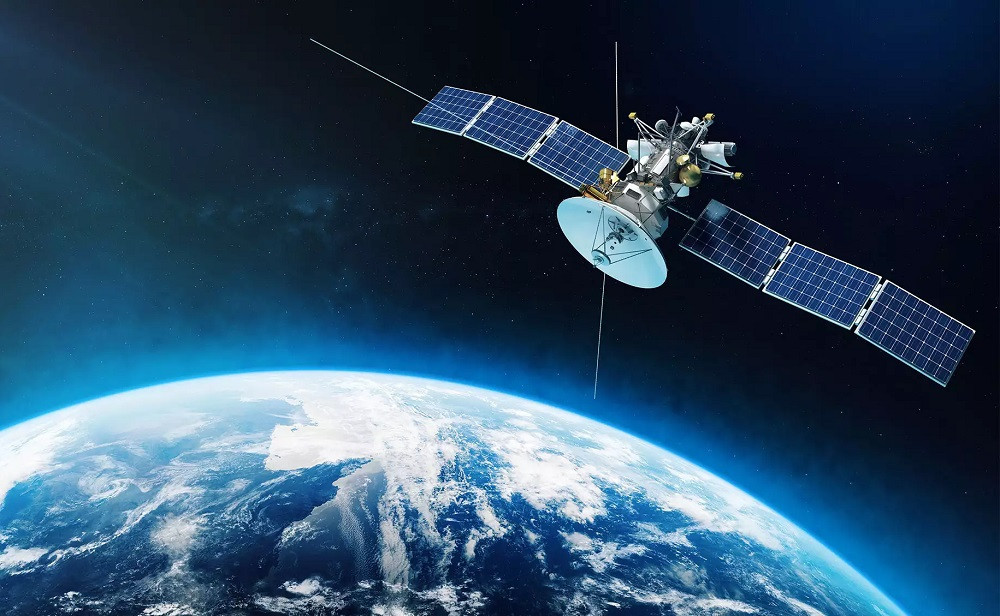
Kathmandu -The Government of Nepal has yet to make use of the satellite bandwidth gifted by neighbouring India.
The bandwidth was not only provided free of cost, but India had also pledged to supply the necessary equipment for its operation.
Despite a formal agreement between the two nations, Nepal has only recently begun preparations—eight years after the satellite’s launch.
India launched the South Asia Satellite in 2017 and allocated a 36 MHz bandwidth to Nepal as a goodwill gesture.
However, the bandwidth remains unused to date. India had also offered training and equipment to support the service, but Nepal failed to act on it.
Although the satellite has an estimated lifespan of 12 years, the government has made no progress in utilising its services even after eight years.
To access the satellite, Nepal needs to establish a KU-band receiving station. India had agreed to provide the equipment, while Nepal was expected to handle manpower, transport, and installation costs.
Due to years of inaction, the gifted technology is now at risk of going to waste. The satellite can support crucial sectors such as education, healthcare, and weather forecasting—yet it is only now that the government has allocated funds to begin the process.
For the current fiscal year, the Ministry of Communication and Information Technology has earmarked Rs 45 million for this purpose.
According to Ministry spokesperson Gajendra Thakur, the budget will be used to prepare for the construction and operation of the ground station.
'A budget has been allocated to initiate necessary preparations in line with the agreement and announcement made by India. The funds will be used for transporting and installing the equipment,' he said.
Although the Ministry has finally moved toward implementation, it still lacks a clear action plan as the satellite’s operational life continues to shorten.
Thakur remains hopeful that all preparations will be completed and the satellite brought into use within the coming fiscal year. By that time, it will have been nine years since the satellite was launched.
The satellite is expected to function until 2029, though its lifespan could be extended or shortened depending on technical factors. So far, no issues have been reported.
© 2026 All right reserved to biznessnews.com | Site By : Sobij
© 2026 All right reserved to biznessnews.com | Site By : Sobij