

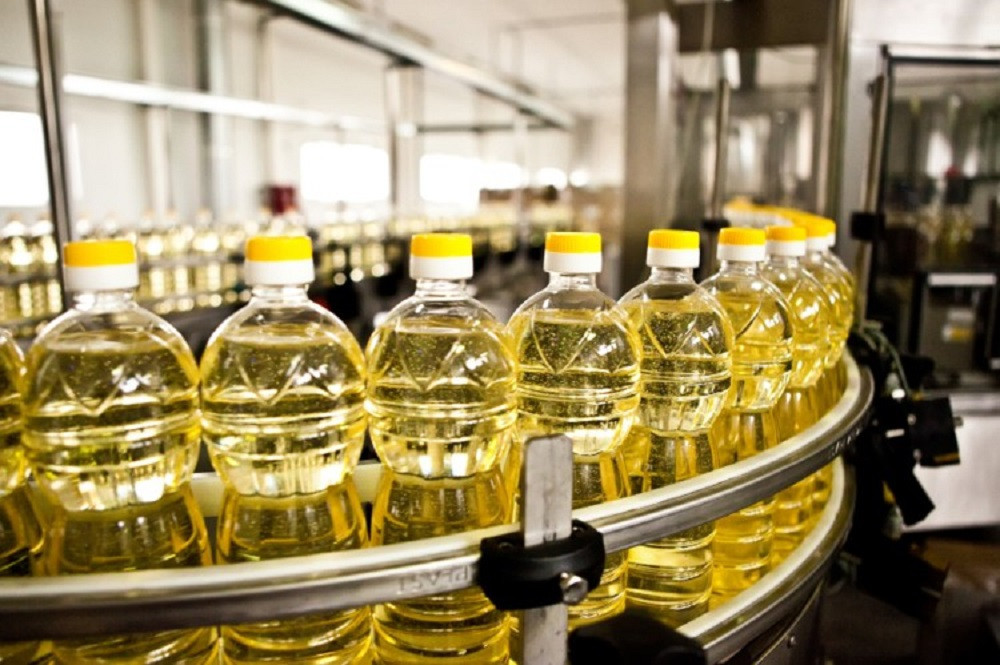
Kathmandu- Following India’s slashing of customs duties on the import of crude edible oil, production in Nepal’s edible oil industry has seen a significant decline.
According to industry stakeholders, Nepal’s edible oil production — which was largely exported to India — has dropped by nearly 50 percent after India reduced its import duty from 27 percent to 17 percent. This has put industries that had been aggressively investing in the sector at risk of crisis.
Previously, India imposed a 27 percent customs duty on crude oil imports, while exports from Nepal to India were exempt from such duties under the SAFTA (South Asian Free Trade Area) agreement.
As a result, Nepali industries had been earning good profits by exporting edible oil to the Indian market.
However, with the reduction in import duty, oil produced in India has now become 8 to 9 rupees cheaper per liter than Nepali oil, making it difficult for Nepali producers to compete, that forced Nepali oil industries to scale back production.
Currently, there are 27 vegetable oil industries operating in Nepal, with India being their primary export market. But with India lowering its import duties, Nepali producers fear losing their competitive edge.
In the first 11 months of the current fiscal year, Nepal exported edible oil worth Rs 107.68 billion. Among these, refined soybean oil accounted for the largest share, followed by sunflower oil, palm oil, and others, according to available data.
Nepal has been importing crude oil from countries like Argentina, Brazil, Indonesia, and Ukraine, refining it domestically, and exporting it to India.
Thanks to the Nepal-India trade agreement, Nepali products had enjoyed duty-free access to the Indian market, which helped boost trade.
However, after India extended its lower import duties to other countries as well, Nepali exporters are facing increasing challenges.
Though the new rates—effective since mid-May—reduced customs duties by up to 10 percentage points, their full impact has yet to be reflected in export statistics. The effect is expected to show up in data from mid-June (Asar).
© 2026 All right reserved to biznessnews.com | Site By : Sobij
© 2026 All right reserved to biznessnews.com | Site By : Sobij