
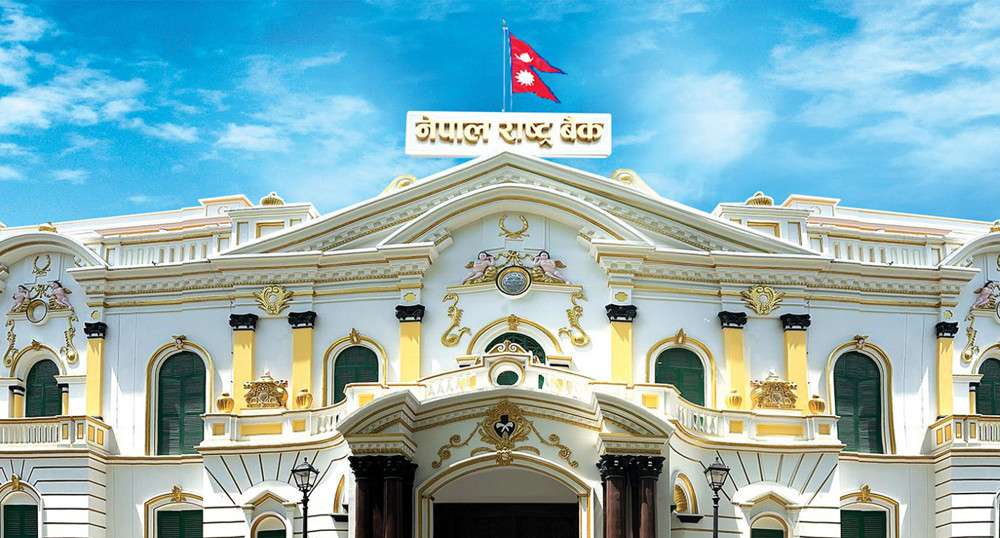
Kathmandu -To manage excess liquidity in the banking system, Nepal Rastra Bank (NRB) has tightened the Cash Reserve Ratio (CRR) in the third quarterly review of the Monetary Policy for fiscal year 2024–25.
Banks and financial institutions must now keep 4 percent of their total deposits as a mandatory cash reserve in NRB’s vault. NRB doesn’t pay any interest on this amount.
This rule aims to protect depositors' savings.
Earlier, banks had to keep 70 percent of their daily CRR amount in cash. The latest policy review, released on Sunday, has increased this requirement to 90 percent. Now, banks must keep 90 percent of their daily CRR in cash.
Previously, banks could invest 30 percent of the total CRR amount. But with excess liquidity in the system and frequent liquidity absorption needed, NRB now allows only 10 percent of the CRR to be invested, while the remaining 90 percent must stay in cash.
Currently, the banking system holds over Rs 753 billion in investable funds. Banks and financial institutions have deposited more than Rs 400 billion with NRB. NRB has been absorbing liquidity through tools like the Standing Deposit Facility (SDF) and deposit collection instruments.
It has been pulling liquidity at a 3 percent interest rate. By increasing the cash portion of the CRR, NRB hopes to reduce the need for these tools.
Banks must submit CRR reports to NRB every 14 days. If they fail to maintain the 90 percent cash requirement on average, NRB will impose penalties.
NRB spokesperson Ramu Paudel said the new policy is meant to better manage liquidity.
'Since the banking system has excess liquidity, we’ve increased the cash reserve requirement,” Paudel said. “Earlier, banks had to keep 70 percent of the 4 percent CRR in cash every 14 days, but now they must keep 90 percent. This change should reduce reliance on tools like deposit collection instruments and the standing deposit facility.'
© 2026 All right reserved to biznessnews.com | Site By : Sobij
© 2026 All right reserved to biznessnews.com | Site By : Sobij