
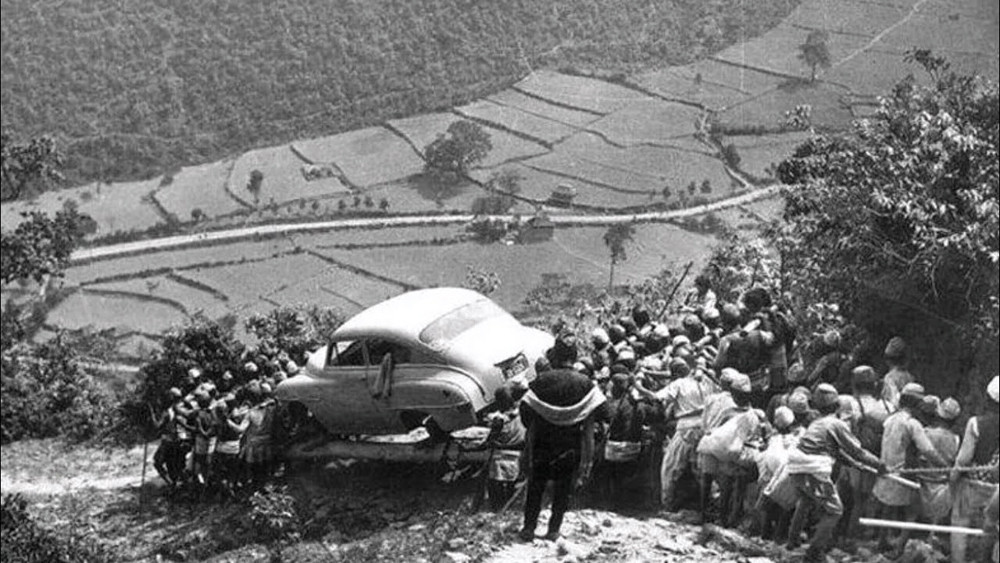
Kathmandu – Long before Nepal’s valleys were connected by motorable roads, cars arrived not by wheels but by sheer human strength.
Porters trudged for days across the harsh trails of Bhimphedi, their backs bent under the weight of gleaming machines that few in the hills had ever seen.
Today those stories sound almost folklore- tales of rulers indulging in extravagance - yet they reveal the political, social, and economic realities of an era where prestige mattered more than life.
The chants of exhausted carriers - 'Jod gar haisa, bhan-bhan bhai ho… Deusire!'- are still remembered in folk memory, echoing the arduous journeys that brought vehicles into the Kathmandu Valley.
What might seem like legend has been preserved in photographs and grainy film reels, evidence of a time when cars were as much about spectacle as function. Those memories, like the vehicles themselves, remain fragile windows into Nepal’s past.
A handful of these automobiles have survived, transformed from symbols of royal vanity into relics of national heritage.
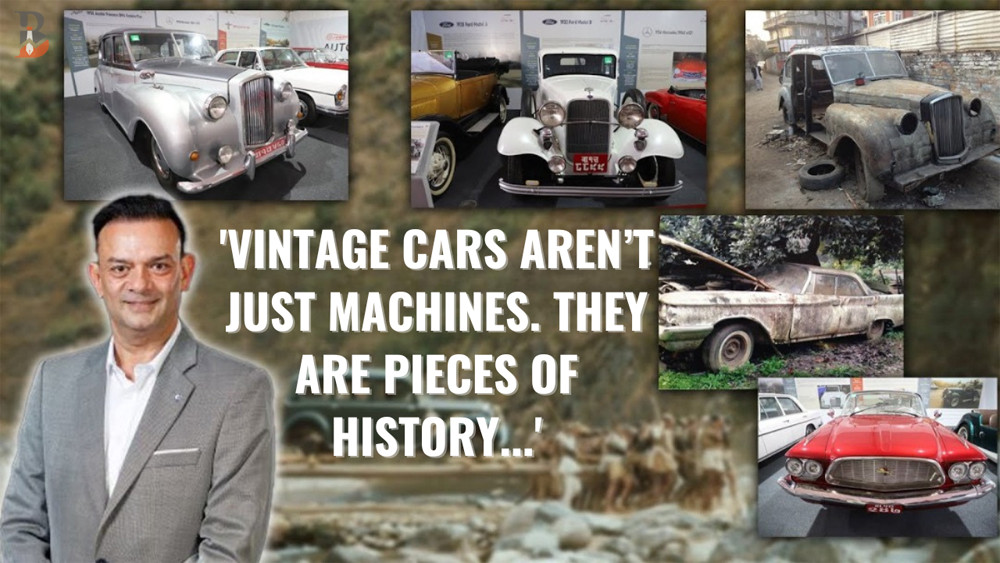
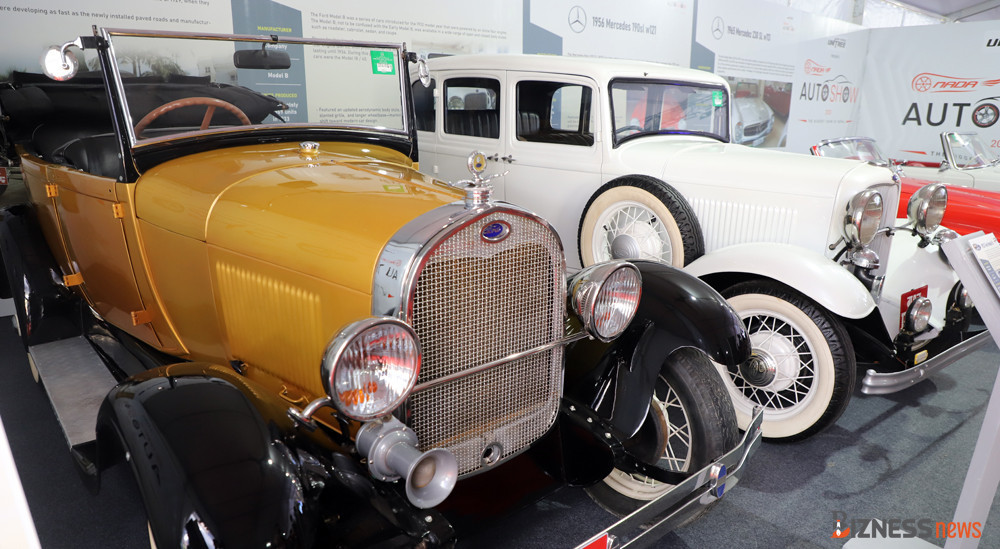
Some were displayed at the NADA Auto Show in Bhrikutimandap, restored and maintained by businessman Raj Bahadur Shah, Managing Director of Jawalakhel Group of Industries.
One of Nepal’s top individual taxpayers, Shah has turned his passion for vintage and classic cars into a personal mission, investing millions to ensure their survival.
To him, each restoration is like solving a puzzle that requires patience, time and deep pockets. Without such efforts, he says, many of these cars would already have been sold off for scrap - reduced to a few rupees per kilo.
For Shah, reviving these machines is more than a hobby; it is a form of stewardship. He employs three full-time staff to care for his fleet, spending tens of millions annually on maintenance and taxes alone.
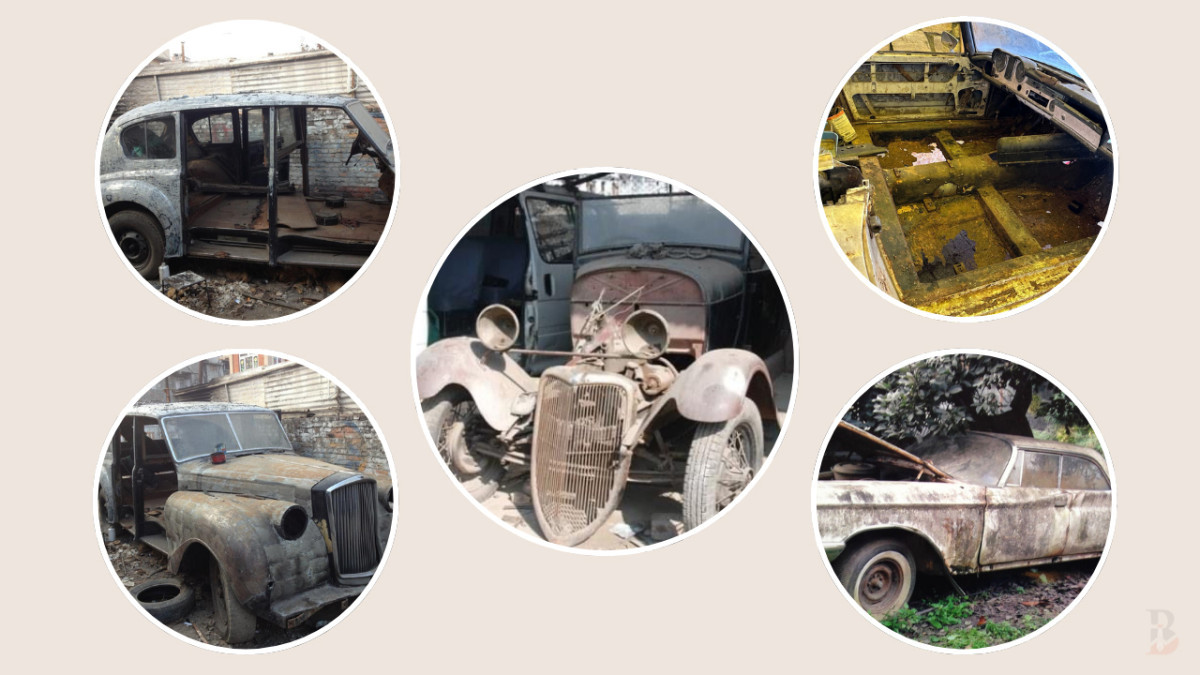
He argues that if the government recognised these automobiles as cultural assets and offered tax exemptions, it would encourage greater preservation.
Until then, the burden rests on a handful of collectors determined to save what history has left behind.
Among Shah’s collection are some of Nepal’s rarest survivors.
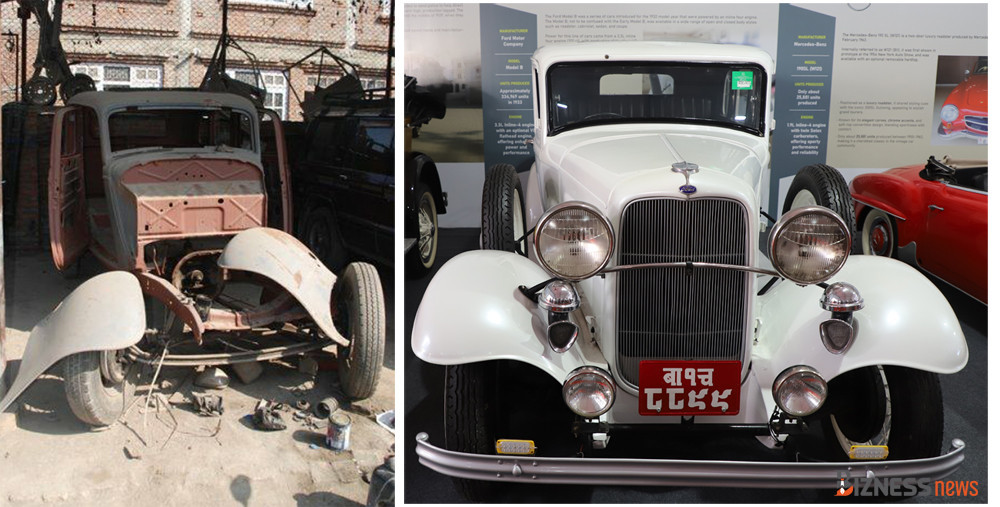
There is a Ford Model A from 1928 and a Ford Model B from 1933, both brought into Kathmandu on porters’ shoulders during the Rana regime.
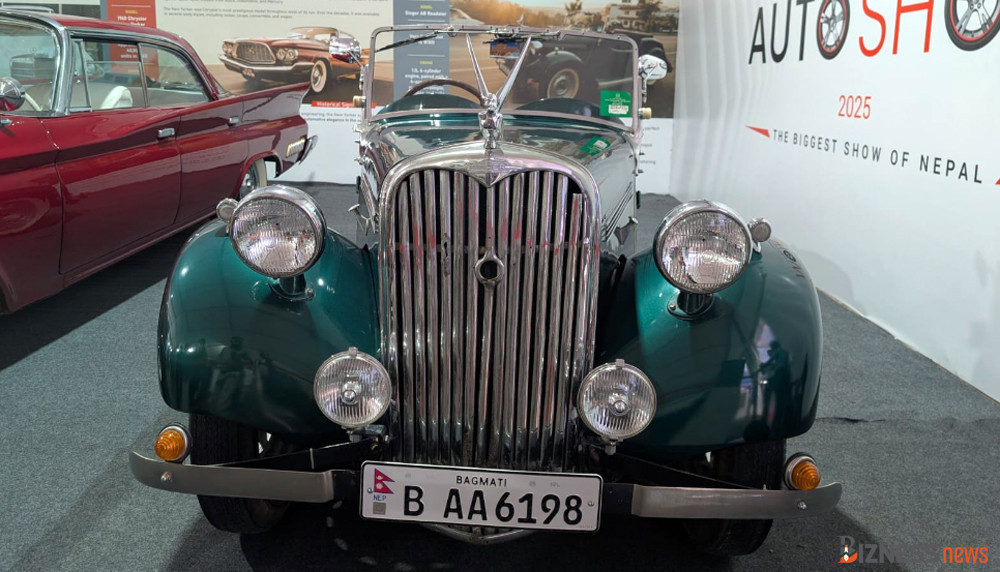
A 1944 Singer AB Roadster, once celebrated in England for reaching speeds of 100 kilometres per hour, is believed to have entered Nepal during the British Raj.
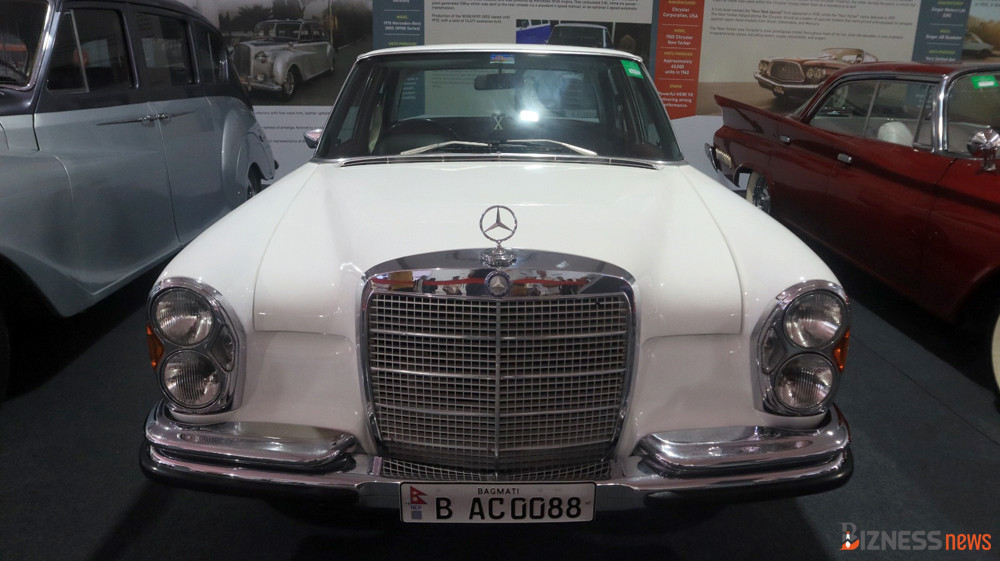
Two Mercedes-Benz cars - a red 1956 model and a white 1965 'Pagoda'- once belonged to King Mahendra before being handed to Prime Minister Tulsi Giri and later changing hands several times.
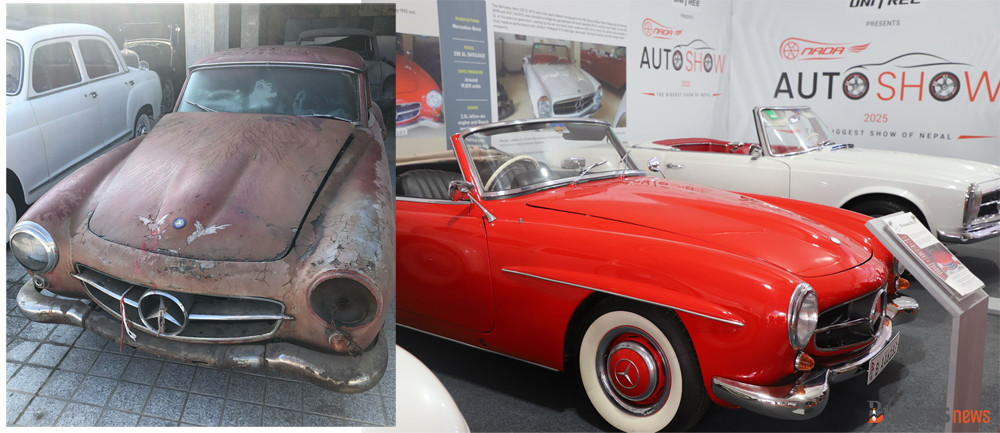
Their engines still roar past 200 kilometres per hour, making them among the most valuable classics on the global market.
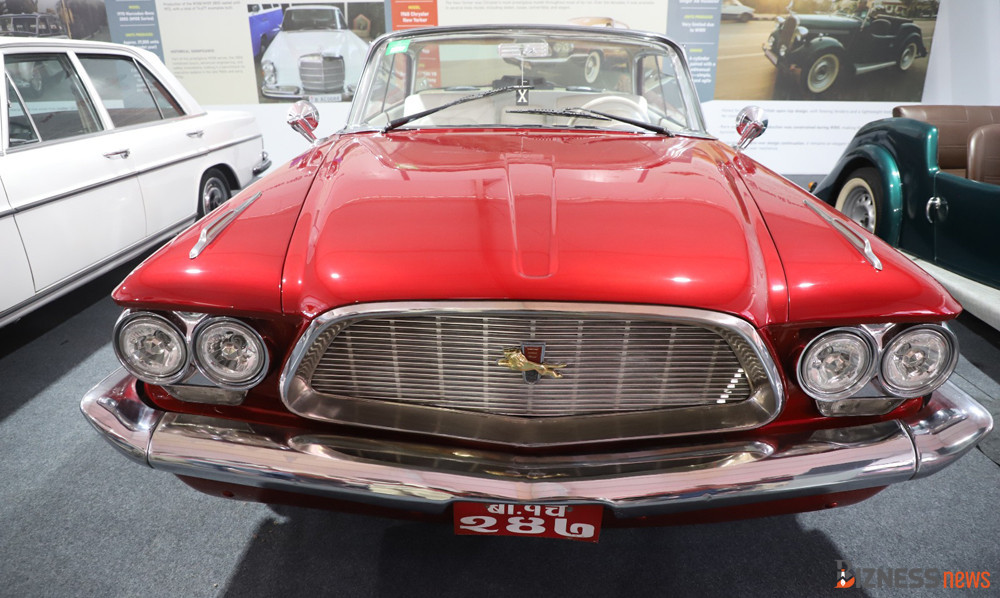
Shah also maintains a 1960 Chrysler New Yorker, its massive 6.8-litre V8 engine thought to be the largest ever seen in Nepal. Imported from Switzerland, the car once belonged to the royal fleet but guzzles two litres of petrol for every kilometre it runs.
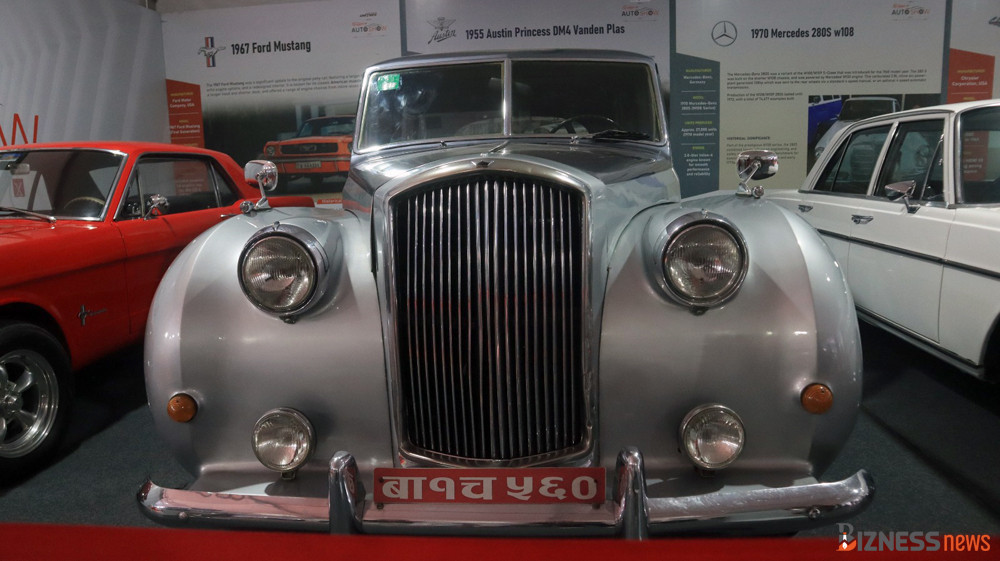
A 1955 Austin Princess DM4 Vanden Plas, formerly owned by Madhukar SJB Rana, is another rarity. Only two were ever brought to Nepal, and while one still rests immobile in the palace garage, Shah’s has been restored to glory.
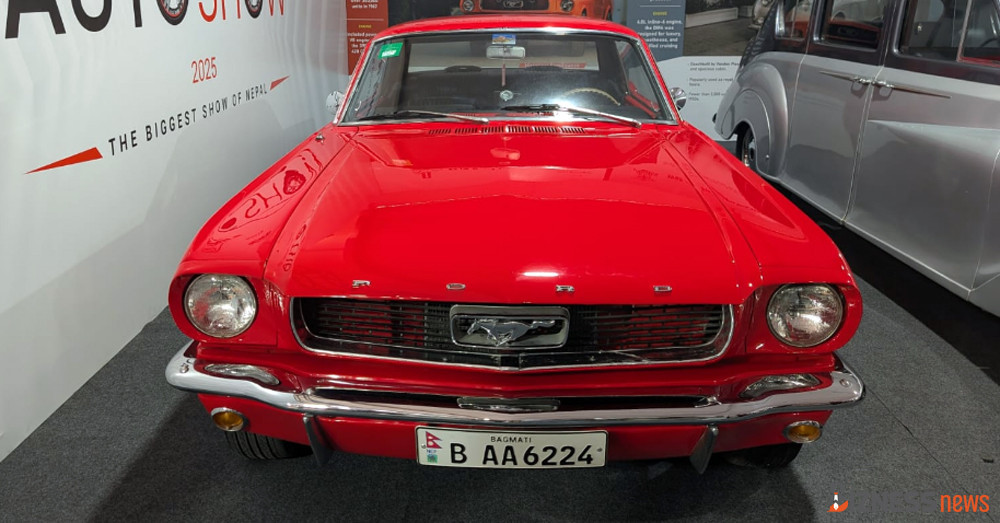
His 1967 Ford Mustang, once an embassy car and later owned by businessman Anand Bagaria, was regarded as a racing machine in its time, but today a Maruti 800 is faster.
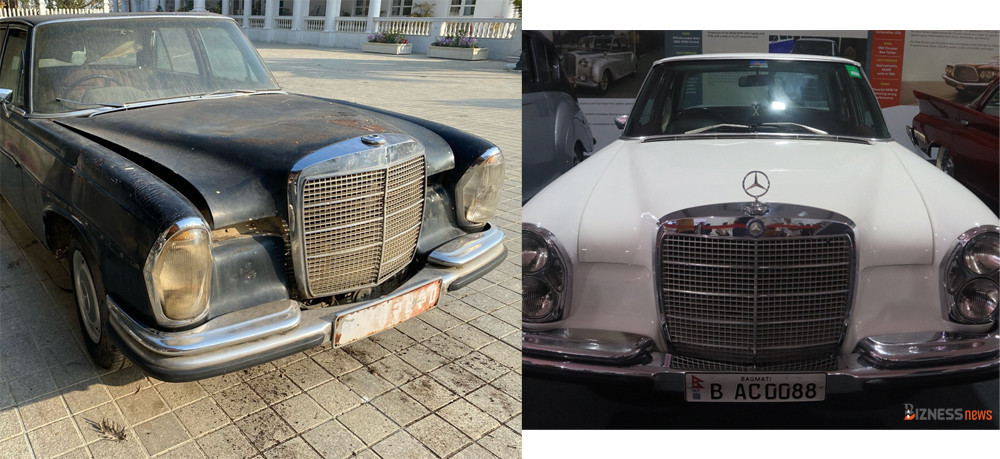
And a 1970 white Mercedes, initially in the hands of royals staying at Annapurna Hotel, changed ownership multiple times - arriving in Nepal in the same era when the King of Sikkim imported the very same model.
It is believed that less than 100 vintage and classic cars from the 1970s and earlier still exist in Nepal, but many are in disrepair.
Some have not had their taxes paid for years, others lie abandoned in garages, and too many have already been sold abroad as scrap.
Only a few enthusiasts, like Shah, have taken on the costly responsibility of keeping them alive, effectively safeguarding a chapter of Nepal’s cultural heritage.
What Nepal lacks, however, is a clear policy to recognise these automobiles as heritage objects. Unlike other countries where vintage cars are protected by law, here their fate rests on private passion alone.
Shah, therefore, is more than just a car lover - he has become an activist for preservation, pouring both money and time into keeping history on wheels.
'These cars aren’t just machines,' he reflects. 'They are pieces of history.'
Indeed, each vehicle speaks of a different chapter in Nepal’s journey, from the days when kings flaunted their imported power to the present, when private citizens fight to keep those memories alive.
Their engines, craftsmanship and design are not just valuable in monetary terms, but serve as open pages of history - reminders that sometimes the past does not live in books but in the roar of an engine, the curve of a fender, and the determination of those who refuse to let them die.
© 2026 All right reserved to biznessnews.com | Site By : Sobij
© 2026 All right reserved to biznessnews.com | Site By : Sobij