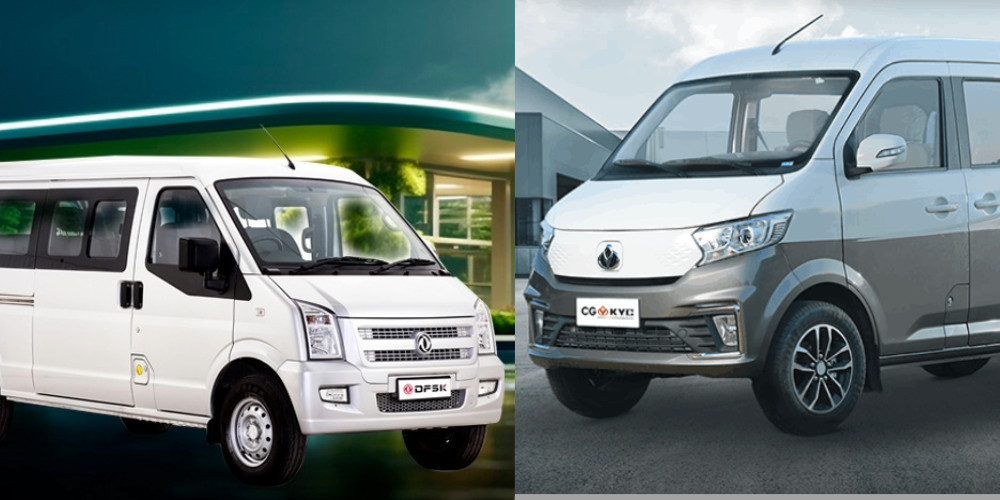
Kathmandu- The dispute over whether electric vans imported from China have 11 seats or 9 seats has been resolved. The claim by NEV Nepal Pvt. Ltd. (under Digo Group) and CG Motors (under Chaudhary Group) that their vans have 11 seats was proven false.
The Revenue Tribunal ruled that the two folding seats in these vans cannot be counted as full seats, that mean the KYCS electric vans imported by CG Motors and the DFSK electric vans imported by NEV Nepal Pvt. Ltd. officially have a 9-seat capacity.
During a hearing on the case filed by NEV Nepal Pvt. Ltd., the tribunal physically inspected the vehicles and confirmed the presence of folding seats. After this, it ruled that these seats should not be counted for customs clearance.
As a result, NEV Nepal Pvt. Ltd. lost both of its cases and now has to pay Rs 26,891,328 in taxes.
In January 2023, the Tatopani Customs Office stated that these vans had folding seats and should be taxed at 10 percent customs duty. Previously, the Rasuwagadhi Customs Office had taxed the same vans at only 1 percent, considering all seats as full-sized. The Department of Customs later ordered a review and collection of unpaid taxes on all such vans imported before January 2023.
NEV Nepal Pvt. Ltd. and CG Motors challenged this decision in the Patan High Court. The court ruled that the customs office had reassessed taxes unfairly without giving the companies a chance to defend themselves. The court ordered the customs office to follow the correct legal process.
After this, the Rasuwagadhi Customs Office reassessed the taxes. CG Motors paid its additional taxes, but NEV Nepal challenged the decision and filed a case with the Revenue Tribunal.
NEV Nepal filed two cases against tax decisions made on February 27, 2024, and March 18, 2024. The tribunal ruled against NEV Nepal in late July, and the full decision was released recently. The tax amounts involved were Rs 6,212,996 and Rs 20,678,332. NEV Nepal had originally cleared the DFSK EC36 electric vans under a different customs code to get a tax exemption. The Rasuwagadhi Customs Office later corrected this and demanded the unpaid tax.
Before this seat dispute, NEV Nepal and CG Motors had already imported more than 250 electric vans from China. After losing its case at the Patan High Court, CG Motors paid over Rs 15 million in additional taxes. NEV Nepal, however, took the case to the Revenue Tribunal and lost there too.
In the 2023/24 budget, then-Finance Minister Prakash Sharan Mahat introduced a uniform tax rate for electric vans with 10 to 14 seats to prevent tax evasion using folding seats. Previously, vehicles with up to 10 seats were taxed at 10 percent, while those with 11 to 14 seats were taxed at only 1 percent. Importers added extra folding seats to pay the lower tax. The new policy closed this loophole by setting a uniform 10 percent duty for vans with 10 to 14 seats.
Some businesses protested this change, but Mahat defended it, saying it was necessary to stop tax evasion.