Kathmandu- Cimex Inc. Pvt. Ltd., the official distributor of BYD cars in Nepal, is facing intense criticism for charging an outrageous repair fee that nearly matches the price of a new vehicle. Already accused of dodging taxes on EV imports, the company is now under fire for overcharging customers for after-sales services.
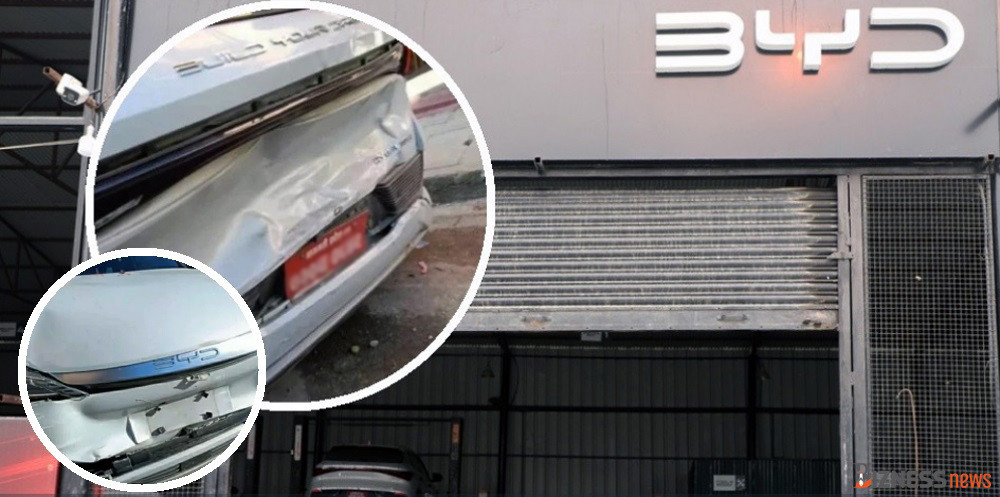
On September 20, 2024, the distributor issued a staggering repair quotation of Rs 5.058 million (including VAT) for a BYD Atto 3 electric car that had suffered minor accident damage. The cost left customers and experts in shock. Service engineers estimate that the repairs should have cost anywhere between Rs 500,000 and Rs 700,000—or at most Rs 1–1.5 million, even considering the higher expense of fixing electric vehicles.
Photos of the car show only minor dents and scratches. Despite this, Cimex claimed that 142 parts needed replacement, with some parts listed twice, making the cost highly suspicious. The parts alone ranged from Rs 577.50 to a jaw-dropping Rs 2.195 million.
The pre-VAT cost was Rs 4.476 million, with VAT adding another Rs 581,988.50, bringing the total to Rs 5.058 million. For comparison, the Atto 3 Advanced version costs Rs 5.69 million, while the Superior version is priced at Rs 6.78 million in Nepal. Essentially, the repair estimate is nearly the price of a brand-new car.
Experts Call Out the Absurdity
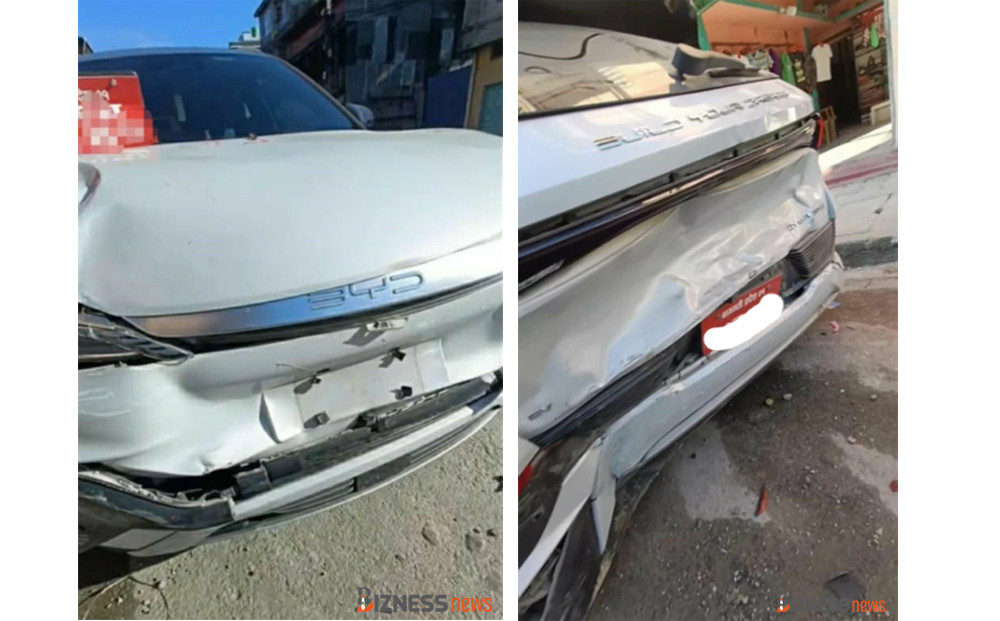
Biznessnews consulted seven experts—including mechanical engineers and EV service center heads—by showing them images of the slightly damaged BYD Atto 3. They were then presented with the official repair quotation. The response was unanimous: shock and disbelief.
'The bumper has a minor dent. If this car had suffered a major accident, we’d see more visible damage,' one engineer noted. 'From a preliminary look, this is a minor incident. The repair should be relatively inexpensive. Including a high-voltage battery replacement in the estimate isn’t just surprising—it’s absurd.'
Another expert raised concerns about potential fraud. 'The prices for each part have been significantly inflated. If this continues, EV repair costs could spiral out of control, making it seem like the company wants to generate more revenue from servicing than selling cars,' he said. 'Recommending a high-voltage battery replacement for a simple bumper dent raises serious questions—either this is an attempt to exploit insurance claims, or it exposes serious flaws in the vehicle’s build quality.'
Three other engineers shared similar concerns, arguing that replacing a high-voltage battery due to minor damage is highly questionable. These batteries are designed to be well-protected, and if a small accident requires full replacement, it suggests a major structural flaw.
Impact on Nepal’s EV Market
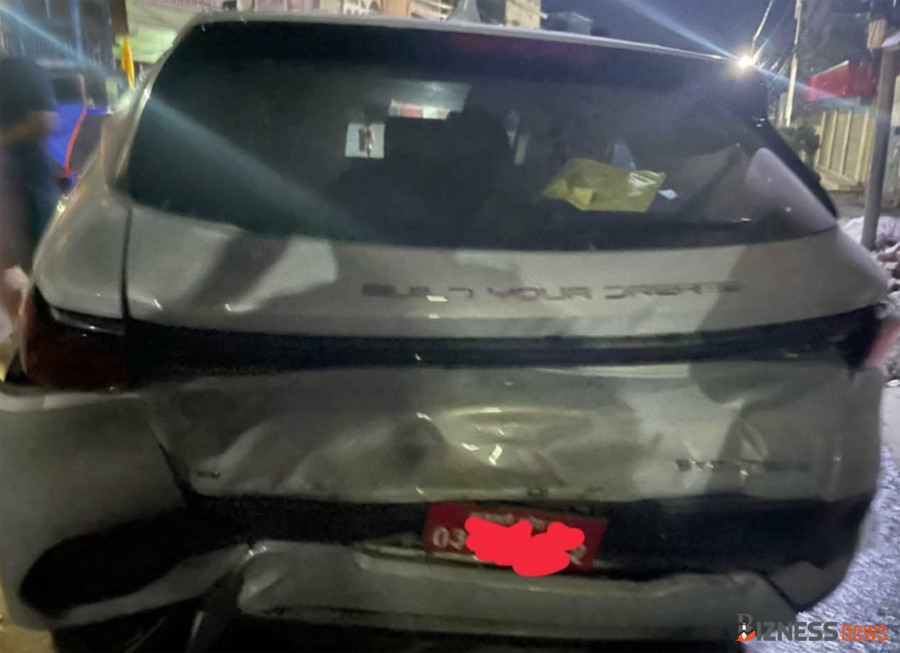
EV service center heads are deeply worried. They warn that if such pricing practices continue, consumers will hesitate to buy EVs due to the fear of exorbitant maintenance costs, ultimately harming Nepal’s growing EV market.
'At a time when EV adoption is increasing, such ridiculous pricing could damage not just one brand but the entire industry,' said one EV service center head. 'More importantly, adding a high-voltage battery replacement to a minor accident’s repair bill is either a blatant money grab or an alarming sign of poor vehicle durability.'
Even other vehicle importers found the estimate baffling. While they refrained from making strong public statements, they collectively expressed concerns that such tactics from a leading EV brand could erode consumer trust and hurt the industry.
A Troubling Pattern: Past Tax Evasion Allegations
This isn’t the first controversy for Cimex. The distributor has previously been found guilty of tax evasion related to electric vehicle imports. Nepal’s Customs Inspection and Testing Office determined that Cimex had engaged in tax fraud and issued a formal notice with penalties. The company challenged the decision, taking the case to the Revenue Tribunal, which ultimately ruled that Cimex had indeed evaded taxes while importing the BYD e6 electric car.
Cimex reportedly imported the BYD e6 for just $10,000 but sold it in Nepal for Rs 5 million, making massive profits at the expense of consumers. Now, it appears the company is continuing its exploitative practices—this time through overpriced service charges and spare parts.