
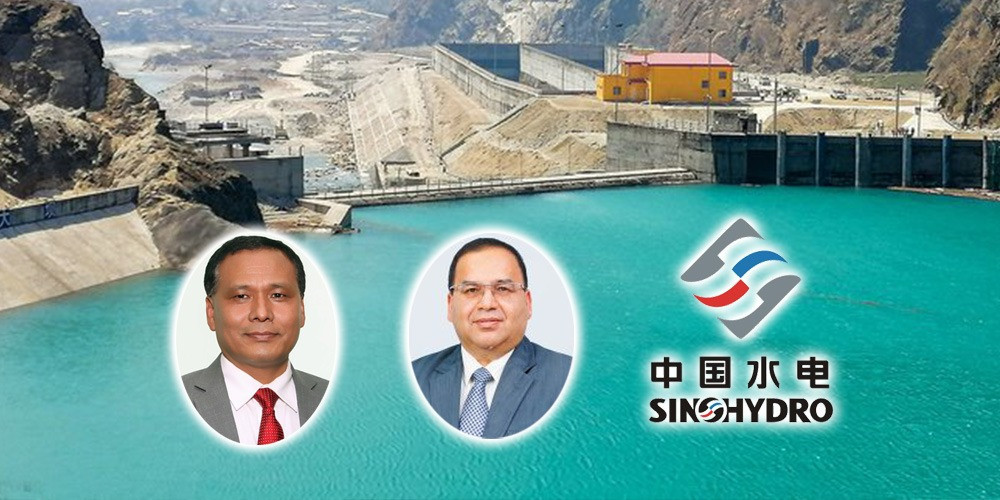
Kathmandu- The issue of a payment of Rs six billion to the Chinese contractor Sinohydro Corporation for the Upper Tamakoshi Hydropower Project remains unverified by the Board of Directors even six years after its disbursement. Despite regulations requiring board approval for payments exceeding 15 percent, no such approval was obtained.
In September 2022, the matter was brought to the board for verification, but it failed to gain approval due to disputes over expenditure accountability.
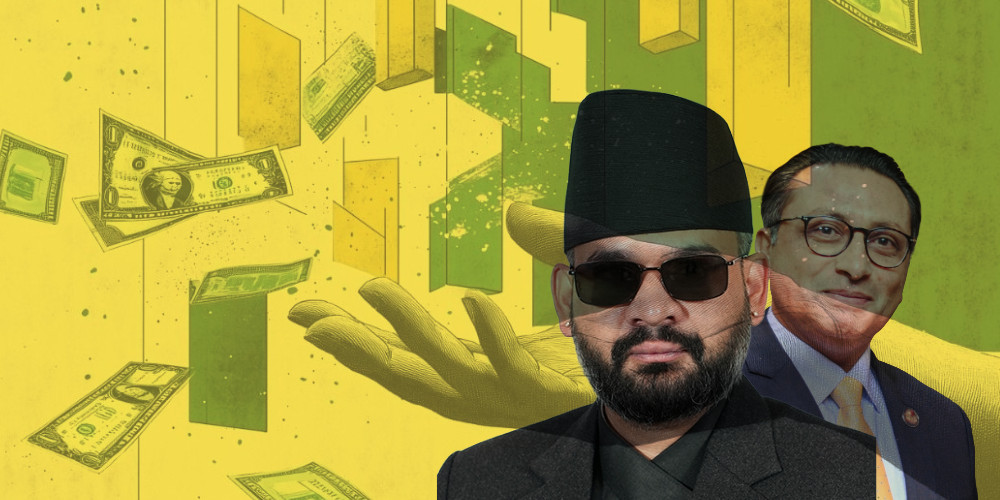
CEO Mohan Prasad Gautam had authorized the payment without presenting details to the board, exceeding his authority, which allows payments of up to 15 percent under financial regulations. The disbursement, allegedly in coordination with Chairman Kulman Ghising of Nepal Electricity Authority (NEA) was later retroactively submitted for approval.
This has sparked demands within the board for independent auditors to oversee all financial reviews.
A Source from the Upper Tamakoshi Hydropower Company indicate the proposal has not been resubmitted since.
'Board approval should have been secured before the payment. Even if it wasn’t, the payment must be verified by the board afterward,' a source remarked.
Following the 2015 earthquake, Sinohydro was tasked with redesigning and completing civil works, but details of expenditures and payments remain undisclosed to the board. This lack of transparency has raised concerns of financial misconduct.
Reckless spending and a lack of transparency have put the Rs 21.18 billion investment in the Tamakoshi Hydropower Project, contributed by the state and the public, at severe risk.
Initially, the company raised Rs 10.59 billion through shares issued to the public and government agencies. Later, a 1:1 rights issue doubled the capital, bringing the total to Rs 21.18 billion.
The company’s shareholders include NEA (41 percent), Nepal Telecom (6 percent), Citizen Investment Trust (2 percent), and Rastriya Jeevan Beema Company Limited (2 percent).
Additionally, 17.28 percent of shares belong to employees contributing to the Employees Provident Fund, 3.84 percent to company and NEA employees, 2.88 percent to employees of lending institutions, 10 percent to Dolakha locals, and 15 percent to the general public.
The company is drowning in long-term debt, which has skyrocketed due to project delays and cost overruns. Originally estimated at Rs 35 billion, the project costs have ballooned to around Rs 80 billion. The company now owes Rs 73.78 billion in long-term debt. Although electricity generation began on March, 2022, frequent shutdowns have hindered revenue growth, making it difficult to meet expenses. As a result, investors face years without returns.
Under the leadership of Chairman Ghising, the company’s board has diverted funds to projects outside its jurisdiction. Instead of repaying loans and interest, billions have been allocated elsewhere, including Rs 4 billion to the New Khimti Substation, which is not part of the Upper Tamakoshi Hydropower Company. This fund diversion is deemed illegal under company regulations.
While the company struggles to pay interest on its debts, the reckless allocation of public funds has placed billions at risk. The NEA has allegedly used its influence to position personnel aligned with its interests in key roles, undermining the company’s integrity. Financial irregularities have been flagged in the name of construction variations, with serious violations of transparency.
Meanwhile, the company’s subsidiary, the 22 MW Rolwaling Hydropower Project, is being built at an exorbitantly high cost. The cost per megawatt exceeds Rs 360 million, which is Rs 16 million higher than private sector benchmarks. This inflated expense further jeopardizes the company’s ability to repay debts or distribute dividends to investors in the long term.
Of the Rs 4 billion raised through rights issues, a significant portion is being funneled into Rolwaling, which is projected to cost Rs 8 billion for just 22 MW.
The excessive costs threaten to sink the company further into financial turmoil, leaving investors with little hope of returns.
© 2026 All right reserved to biznessnews.com | Site By : Sobij
© 2026 All right reserved to biznessnews.com | Site By : Sobij