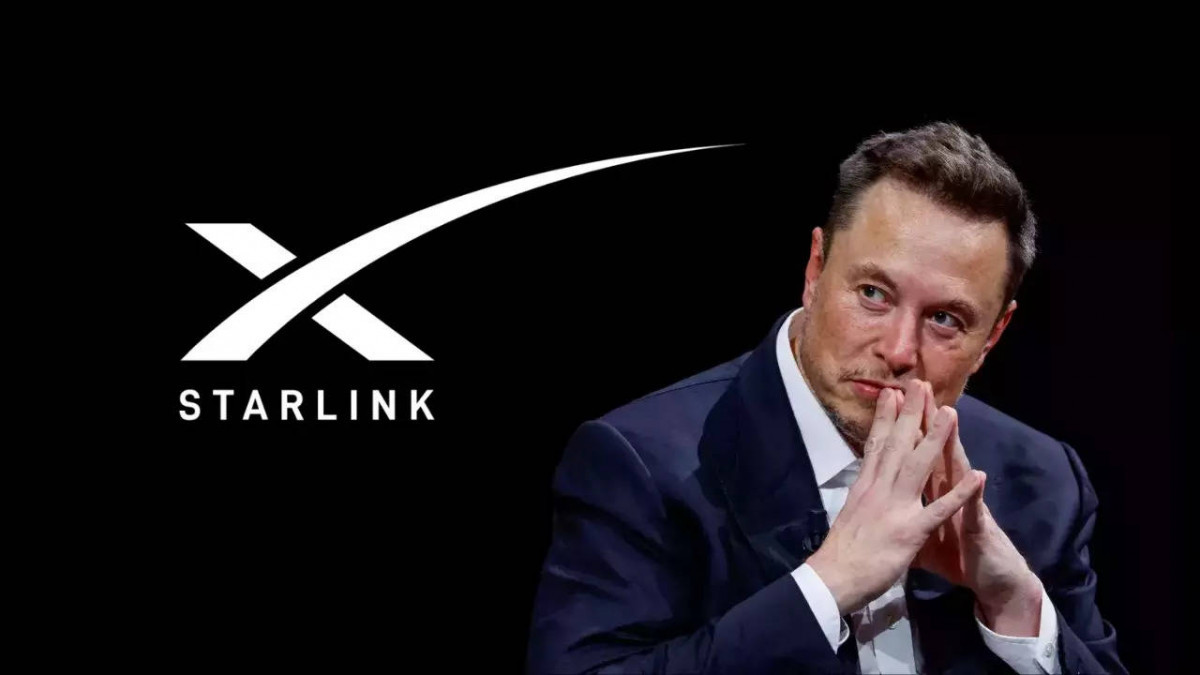
Kathmandu-The world’s richest entrepreneur, Elon Musk, is setting his sights on Nepal with his revolutionary satellite internet service, Starlink. While public enthusiasm runs high, behind closed doors, forces are conspiring to keep Starlink out of the country.
Prime Minister KP Sharma Oli even flaunted a photo of his video call with Musk, signaling the government’s openness to welcome Starlink. Yet, beneath the surface, legacy telecom operators, terrified of Starlink’s disruptive potential, are scrambling to block its arrival. Ironically, some of these operators are issuing statements claiming they, too, are 'bringing Starlink-like services' to Nepal. A public show of support hides a private battle of resistance.
Nepal’s policies are no less of a hurdle. The country’s protectionist regulations—aligned with its World Trade Organization commitments—prohibit foreign entities from having full ownership in the telecom sector. Without 20 percent local ownership, Starlink can’t operate in Nepal, a point already made clear by Communications Minister Prithvi Subba Gurung.
But the real roadblock? Fear. Legacy operators see Starlink as a looming threat that could rewrite the rules of the game. With its new 'Direct-to-Cell' service, Starlink is not just offering fast internet—it’s promising to revolutionize telecommunications. When it launches, the monopoly of traditional operators might crumble, and the economics of Nepal’s internet and telecom industry could turn upside down.
Starlink’s disruption isn’t just a Nepal issue—it’s a global one. Many countries are grappling with the same dilemma. Its satellite-powered voice and data services have already gained traction in war-torn Ukraine, and Musk’s team is working to bundle these services into affordable packages. If successful, decades of telecom investments and painstaking licensing processes might become obsolete overnight.
Imagine seamless voice and data services reaching from the harshest deserts to the tallest mountains. Starlink promises exactly that, and Musk’s ultimate vision is to make it universal. If governments step aside, this service could spark an unprecedented communication revolution.
It’s no wonder some nations are wary. South Africa has refused to grant Starlink permission without local partnerships, while others impose similar restrictions. Yet, countries like the Philippines, Argentina, and Sri Lanka have bent their policies to embrace Starlink’s transformative potential.
Meanwhile, Musk is leveraging his ever-expanding global influence. As a key advisor to former U.S. President Donald Trump, he has drawn both admiration and suspicion. Recent reports, including one from Bloomberg, reveal Musk ramping up pressure in South Africa to secure a foothold for Starlink.
In Nepal and beyond, Musk’s mission seems clear: Starlink isn’t just a business—it’s a universal communications project aiming to reshape how the world connects. Whether Nepal chooses to resist or adapt, one thing is certain: Starlink’s arrival will be nothing short of a game-changer.